

Quick Summary
This article covers essential tankless water heater maintenance practices, including flushing the system, cleaning filters, inspecting components, and monitoring performance. Regular maintenance helps prevent scale buildup, improve efficiency, and extend the lifespan of the system.
Tankless water heater maintenance plays a major role in keeping your home’s hot water system running smoothly and efficiently. A well-maintained unit heats water consistently and avoids performance issues caused by buildup or wear. Homeowners who stay proactive often experience fewer interruptions and better long-term results.
Understand How It Works
Understanding how to care for a tankless system helps prevent unexpected repairs and keeps energy use steady. These systems do not store water, so they rely on clean components and proper flow to perform well. Routine attention allows homeowners to catch small concerns before they grow into larger problems.
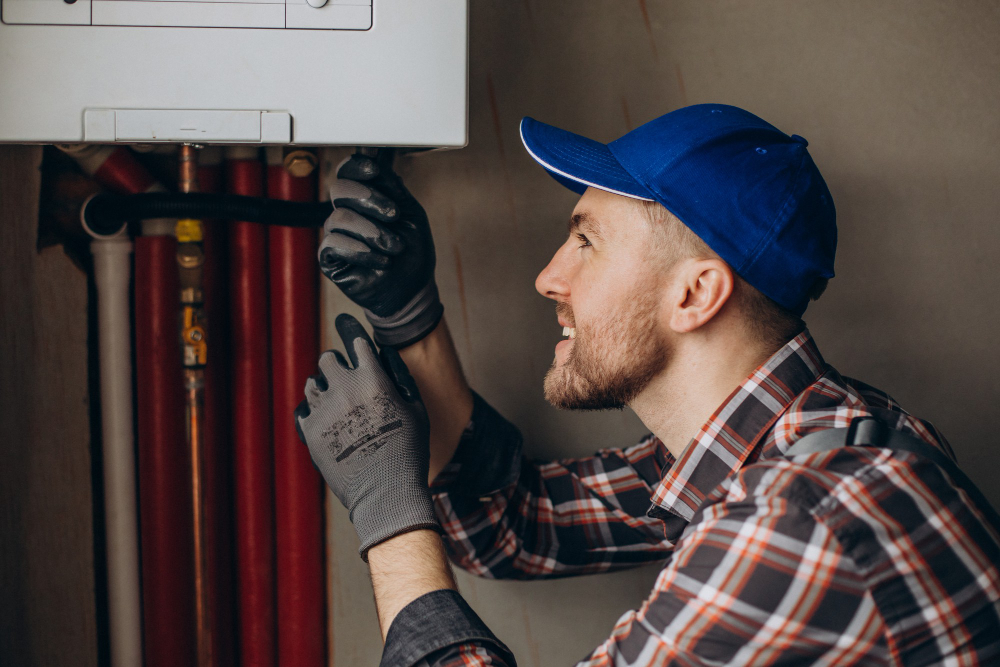
Many homeowners rely on professional tankless water heater services when routine maintenance becomes more complex. While some tasks can be handled at home, others require trained expertise and the right tools. A balanced approach between simple upkeep and professional inspections keeps your system operating at its best.
Why Tankless Water Heater Maintenance Matters for Efficiency
Tankless water heater maintenance directly affects how efficiently your system operates on a daily basis. When mineral deposits or debris collect inside the unit, water flow slows down and heating performance becomes uneven. Regular attention keeps internal components clear, which helps the system heat water quickly and maintain stable energy use.
Efficiency also impacts your monthly utility costs and overall system reliability. A unit that operates without buildup uses less energy to reach the desired temperature, which keeps performance steady over time. Homeowners who follow a consistent maintenance routine often notice improved comfort and fewer sudden disruptions during regular use.
Flush the System Regularly to Prevent Scale Buildup
Flushing the system removes mineral deposits that collect inside the heat exchanger over time. Hard water can leave calcium and lime buildup, which restricts water flow and affects heating performance. Regular flushing keeps the system clean and allows it to operate without unnecessary strain on internal components.
Tankless hot water heater maintenance often includes flushing as one of the most important tasks. Homeowners who complete this step annually reduce the risk of clogging and overheating. A clean heat exchanger allows water to pass through easily, which helps maintain steady temperature output and extends the life of the unit.
Clean the Inlet Filter During Tankless Water Heater Maintenance
The inlet water filter captures sediment and debris before it enters the system. Over time, this filter can become clogged, which reduces water pressure and limits performance. Cleaning the filter helps maintain consistent flow and prevents unnecessary stress on the system’s internal parts.
During tankless water heater maintenance, checking the filter should become part of a regular routine. A clean filter allows water to move freely through the unit, which improves heating consistency and overall performance. Homeowners who stay attentive to this detail often avoid pressure-related issues that can lead to more complex repairs later.
Inspect Components as Part of Tankless Water Heater Annual Maintenance
Inspecting the unit helps identify signs of wear, corrosion, or loose connections before they become larger concerns. Valves, pipes, and internal components all play a role in keeping the system functioning properly. A careful inspection allows homeowners to catch early warning signs and address them before performance declines.
Tankless water heater annual maintenance often includes a thorough check of both internal and external parts. Professional technicians can evaluate areas that are not easily visible and confirm that everything operates safely. Regular inspections reduce the risk of unexpected breakdowns and help maintain reliable performance throughout the year.
Check Gas Lines and Electrical Connections for Safe Operation
Gas-powered systems depend on secure connections to operate safely and efficiently. Loose fittings or worn connections can affect performance and create safety concerns. Checking these areas helps confirm that the system receives the correct fuel supply without interruption.
Electric units also require stable connections to maintain proper operation. Worn wiring or loose connections can lead to inconsistent heating or system shutdowns. Homeowners who pay attention to these details during routine maintenance help maintain both safety and performance over time.
Monitor Water Pressure and Flow Rate for Consistent Performance
Water pressure and flow rate directly influence how well a tankless system heats water. Low pressure or restricted flow can signal a buildup inside the unit or a clogged filter. Monitoring these factors helps homeowners identify performance issues before they become more noticeable.
Consistent flow allows the system to activate properly and deliver hot water when needed. When pressure remains steady, the unit can respond quickly and maintain a reliable temperature. Regular checks help keep performance stable and reduce the likelihood of sudden interruptions during daily use.
Inspect Venting and Airflow in Gas Tankless Systems
Proper venting allows gas-powered units to release exhaust safely and maintain efficient operation. Blocked or damaged vents can interfere with airflow and affect system performance. Inspecting the venting system helps confirm that air moves freely and supports safe operation.
Airflow also plays a role in maintaining consistent heating performance. When the system receives proper ventilation, it can operate without overheating or strain. Regular checks help prevent airflow issues that could impact both efficiency and overall system safety.
Test Temperature Output after Completing Maintenance Tasks
Testing the system after maintenance helps confirm that it operates at the desired temperature. Inconsistent heat may indicate remaining buildup or an issue with internal components. Checking the temperature output allows homeowners to verify that maintenance tasks have improved performance.
Stable temperature delivery reflects a well-maintained system that responds quickly to demand. When water heats evenly, it creates a more comfortable experience during daily use. Regular testing also helps identify small changes in performance that may require further attention.
Keeping Your Tankless Water Heater in Top Condition
Consistent maintenance habits help extend the lifespan of your tankless water heater and keep it operating efficiently. Simple tasks like cleaning filters, flushing the system, and monitoring performance contribute to reliable operation over time. Homeowners who stay proactive often experience fewer repairs and more consistent access to hot water.
A balanced approach that combines routine upkeep with professional inspections helps maintain long-term performance. Addressing minor concerns early reduces the risk of larger issues that can disrupt your home’s comfort. Staying attentive to your system allows it to continue delivering dependable results year after year.
Reliable Tankless Water Heater Care Starts Here
At Sweetwater Plumbing, we handle tankless water heater maintenance, repairs, and installations with care and precision, backed by our licensed and insured team in Ontario, CA. If you notice performance issues or need routine service, contact us and let us help keep your system running smoothly.
FAQs
How often should I schedule tankless water heater maintenance?
Most homeowners benefit from annual maintenance to keep the system clean and operating efficiently. In areas with hard water, more frequent flushing may be needed to control mineral buildup. Staying consistent with maintenance helps extend the unit’s lifespan and keeps performance steady.
What happens if I skip tankless water heater maintenance?
Skipping maintenance can lead to mineral buildup, reduced water flow, and inconsistent temperatures. Over time, this can strain the system and increase the likelihood of repairs. Regular care helps prevent these issues and keeps the unit running smoothly.
Can I handle tankless water heater maintenance on my own?
Homeowners can manage basic tasks such as cleaning the inlet filter and checking for visible issues. However, more detailed work, such as system flushing or internal inspections, may require professional tools and experience. A mix of simple upkeep and professional service works best for long-term performance.
Why does my tankless water heater lose efficiency over time?
Efficiency often drops due to mineral buildup inside the heat exchanger or restricted water flow. Sediment and scale can reduce heating performance and slow down the system. Routine maintenance helps remove buildup and keeps the unit operating at its intended level.