

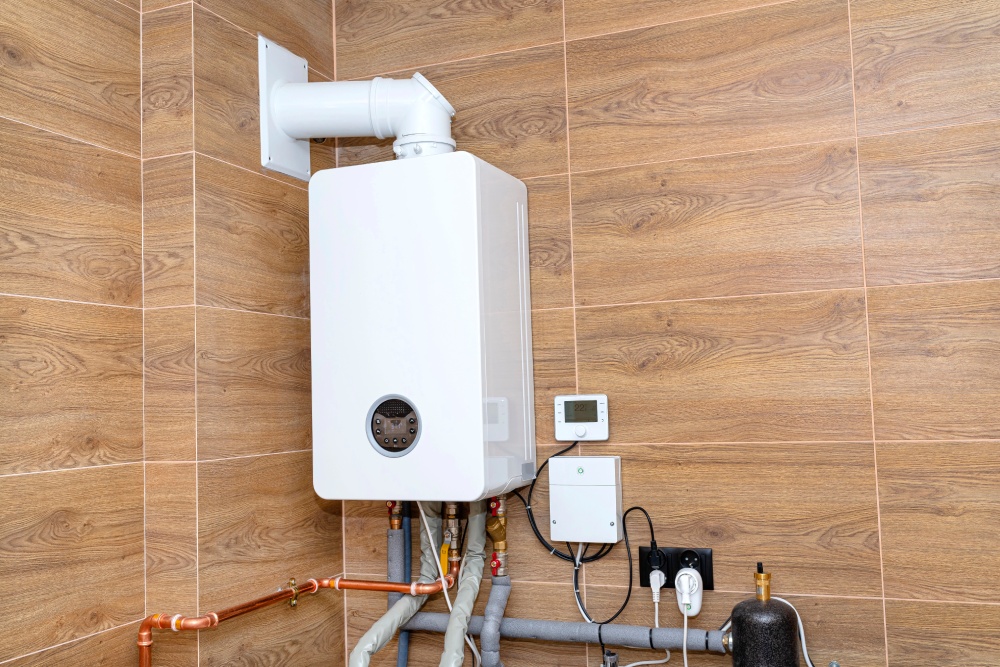
If your tankless water heater takes a long time to heat up, you are not alone, and the colder weather is a key reason why. While “on-demand” means no waiting for a tank to refill, it does not always mean instant hot water at the tap. Understanding the winter-specific challenges can help you fix the delay and get back to enjoying comfortable, efficient hot water.
A key point for California homeowners to understand is the significant swing in incoming water temperature. While our winters are mild compared to other regions, the temperature of the groundwater supplying your home can vary dramatically. It might be a comfortable 70°F or higher in the summer but can easily drop into the 50s during winter nights in the Inland Empire. This seasonal drop is the fundamental physics problem your tankless heater must solve, and it directly impacts performance.
This slowdown is rarely due to a single issue. It is usually a combination of how tankless systems work, the layout of your home’s pipes, and that significant drop in incoming water temperature. Let us explore the main reasons for the wait and the most effective solutions to get you fast hot water again.
The Core Reasons for the Winter Slowdown
A tankless unit heats water as it flows through a heat exchanger. When you turn on the hot tap, cold water must travel to the heater, get heated to your set temperature, and then travel all the way back to your faucet. In winter, two major factors compound this process:
- Colder Incoming Groundwater: This is the primary winter culprit. If the groundwater entering your home drops from 70°F in summer to 50°F or lower in winter, your tankless heater must work much harder and longer to raise it to your desired 120°F. This greater “temperature rise” requires more energy and more time from the unit. Unlike a traditional tank that maintains a stored reserve, a tankless heater must make this calculation from scratch every time you open a tap.
- Increased Demand on a Potentially Undersized Unit: If your family uses more hot water simultaneously in winter, like running a shower and the dishwasher, you may be exceeding the flow rate capacity (measured in gallons per minute, or GPM) of your heater. An undersized unit will struggle or fail to heat the water adequately when demand is high. What worked fine in summer may reveal capacity limits in winter.
- Distance and Cold Water Standing in Pipes: Beyond the heater’s work, the physical layout of your home’s plumbing creates a fixed delay. When a hot water tap is off, the water in the pipes leading to it cools to room (or outdoor) temperature. In winter, this standing water is much colder. When you turn on the tap, all of this cooled water must travel from the pipe to your faucet before the newly heated water from the tankless unit can arrive. The farther the fixture is from the heater, the greater the volume of cold water that must clear first, adding seconds or minutes to your wait that are directly tied to the season’s lower ambient temperatures.
Other Common Factors Adding to the Delay
Beyond the winter chill, several other issues can slow down your hot water, regardless of the season:
- Distance is the Biggest Daily Factor: The farther your faucet or shower is from the heater, the longer it takes for hot water to travel through the pipes. You must first clear all the cooled-off water sitting in the pipes from the last use.
- Mineral Buildup (Scale): California’s hard water leads to limescale buildup inside the heat exchanger over time. This layer of mineral insulation makes the heater less efficient, forcing it to work harder and slower to heat the water.
- System Maintenance Issues: For gas models, incorrect gas pressure can prevent the burner from reaching full power. A faulty flow sensor or a clogged inlet filter can also disrupt performance.
Effective Solutions to Get Faster Hot Water
You do not have to live with a long wait. Here are proven solutions, from simple adjustments to professional installations:
- Install a Recirculating Pump: This is the most effective solution for eliminating wait time. A pump creates a loop that keeps hot water constantly circulating in your pipes, so it is always ready at the tap. Some advanced tankless systems have built-in pump compatibility. Our team can assess your plumbing to see if a recirculation system is a good fit for your home and handle the expert installation.
- Consider a Point-of-Use Heater: For a single, far-away bathroom, a small electric point-of-use tankless heater installed under the sink can offer instant hot water locally. It acts as a booster, heating the water for that specific faucet or shower.
- Proper Maintenance: Annual maintenance by a professional is important. This includes descaling the heat exchanger to remove mineral buildup, checking the gas pressure, and cleaning filters. Regular service makes sure your unit runs at peak efficiency, especially before the demanding winter season. For comprehensive care, our tankless water heater services include this vital maintenance to prevent slowdowns.
- Verify Your Unit is Correctly Sized: If your home’s hot water demand consistently outpaces your heater’s capacity, an upgrade may be needed. A professional can calculate the required GPM and temperature rise for your household size and fixture count.
Proactive Tips for California Homeowners
A few simple habits can help minimize the wait and protect your system:
- Group Hot Water Use: Try not to run multiple hot water appliances (shower, dishwasher, washing machine) at the same time if you notice a performance drop.
- Lower the Flow Rate: Using a low-flow showerhead reduces the GPM the heater must heat, allowing it to reach the temperature faster and more easily.
- Schedule Annual Descaling: Given our local water hardness, preventing scale is key. Mark your calendar for a yearly professional flush.
If your tankless water heater takes a long time to heat up, the solution starts with a professional diagnosis. The experts at Sweetwater Plumbing can pinpoint if the issue is due to distance, scale, an undersized unit, or a combination of factors. With options like recirculating pumps, point-of-use heaters, and expert water heater installation, we can tailor a solution that brings fast, reliable hot water to your Ontario home, no matter the season.