

As the cooler months settle in across Ontario, CA, our daily routines shift, including how we use hot water. Finding the right winter water heater setting is a common concern. You want enough hot water for comfortable showers without wasting energy or money. The good news is that a small adjustment to your tank’s temperature can make a big difference. This simple step balances safety, efficiency, and comfort perfectly for our local climate.
Many homeowners think turning the dial way up is the answer to colder incoming groundwater. But that often leads to higher bills and even safety risks. Let us talk about the best temperature range, how to change it, and other ways to keep your system running well all season.
Why Your Winter Water Heater Temperature Matters
During winter, the ground and the water entering your home are colder. Your water heater must work harder to heat that chilly water up to your set temperature. If the setting is too high, the unit cycles on and off more frequently, using extra energy. If it is set too low, you might run out of hot water mid-shower or risk allowing bacteria like Legionella to grow.
The goal is to find the sweet spot. The U.S. Department of Energy and most manufacturers recommend a setting of 120 degrees Fahrenheit. This temperature is hot enough for most household needs while minimizing mineral buildup, saving energy, and preventing scalding, which is especially important for children and seniors.
How to Check and Adjust Your Settings
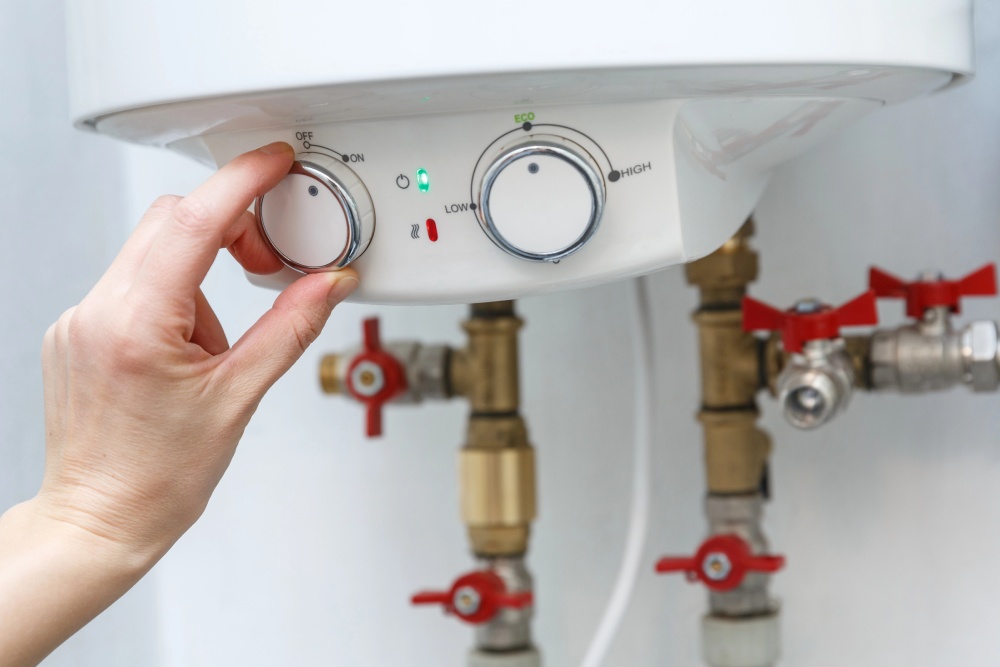
Checking your winter water heater temperature is a quick task. First, find your water heater tank. On the unit, you will see a thermostat dial. It may be labeled with words (Hot, Very Hot, A-B-C) or numbers.
- Get a Baseline: Run hot water at a sink for a few minutes, then fill a cup. Use a cooking thermometer to check the temperature. This tells you your current setting.
- Adjust the Dial: If you need to change it, first turn off the power to an electric heater at the circuit breaker, or turn a gas heater’s control knob to “Pilot.” Remove the cover panel(s) to access the thermostat. For electric units with two elements, you will need to adjust both thermostats to the same level. Use a flathead screwdriver to move the dial to 120°F or the midway point between “Low” and “Medium.”
- Test Again: Wait a few hours for the tank to fully heat, then test the water temperature at the faucet again with your thermometer.
If you are not comfortable doing this yourself, it is a perfect quick job for a professional. A technician from our team can handle this adjustment accurately during a routine maintenance visit, which is a core part of our water heater services.
Beyond the Thermostat: Tips for Winter Efficiency
Adjusting the temperature is the main step, but a few other habits help your system work its best.
- Insulate Older Pipes: Wrapping the first few feet of the hot and cold water pipes coming from your heater with foam insulation helps keep heat in the water as it travels to your faucets.
- Flush the Tank: Sediment (like sand and minerals) settles at the bottom of the tank. This buildup makes your heater less efficient. Draining a few gallons from the tank every six months clears this out. You can find simple guides online, or a plumber can do it as part of regular maintenance.
- Fix Leaks ASAP: A dripping hot water faucet wastes both water and the energy used to heat it. Even a small leak should be repaired promptly to avoid higher costs.
When to Call a Professional
Some situations call for expert help. If your water is not getting hot enough even after adjusting the thermostat, or if it runs out very quickly, there could be a deeper issue. A failing heating element, a damaged dip tube, or significant sediment buildup are common culprits. These problems require diagnosis and repair by a licensed technician.
Regular professional maintenance is the best way to prevent winter surprises. A check-up can ensure all parts are working, verify safe temperature and pressure, and improve efficiency. For comprehensive care of all your home’s systems, from your water heater to your drains, our full suite of plumbing services is designed to provide peace of mind.
Finding the right balance for your winter water heater setting is a simple way to stay comfortable and efficient. By aiming for 120°F, insulating pipes, and keeping up with maintenance, you can handle the season’s demands without worry. And remember, if you ever have questions about your water heater’s performance or need a hand with adjustments, we at Sweetwater Plumbing are here to help you enjoy reliable hot water all winter long.