

While California winters are mild, colder nights in areas like Ontario can still threaten your home’s plumbing. A few hours of freezing temperatures are all it takes for pipes to burst, leading to expensive water damage and headaches. A proactive winter plumbing maintenance routine is your best defense. This detailed, seasonal checklist helps you protect your pipes, improve efficiency, and avoid emergency calls. Think of it as an investment in your home’s comfort and your peace of mind during the cooler months, tailored to the specific needs of our local climate.
Our inland Southern California weather does not require the extreme winterization of colder states, but it does demand smart, targeted preparation. The goal is to focus on key vulnerable spots that our unique temperature swings can affect. By spending a little time on these tasks, you can prevent the vast majority of common cold-weather plumbing problems and keep your system running smoothly all season.
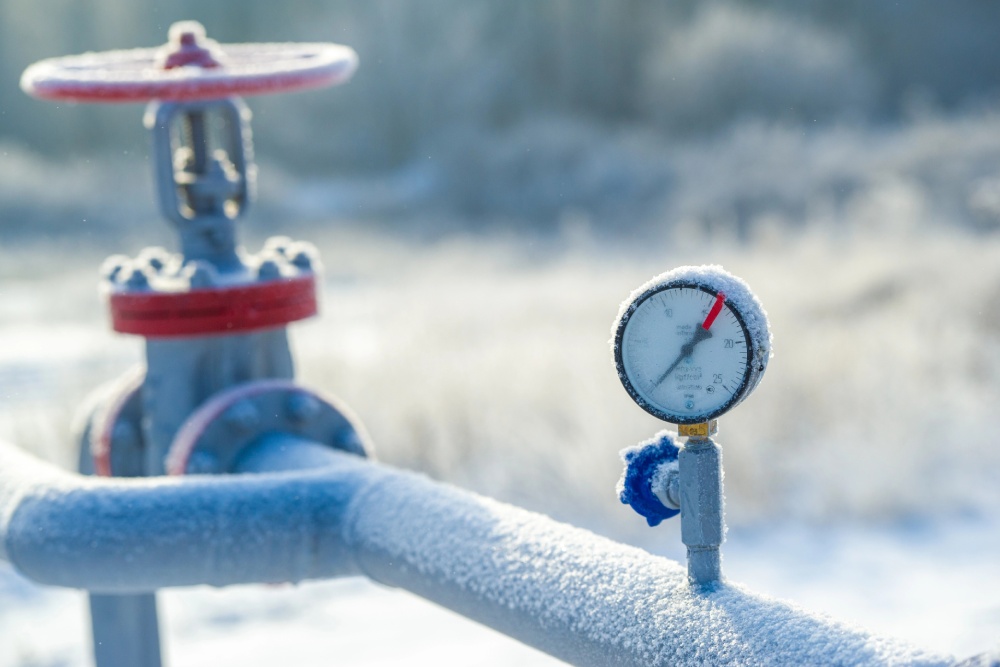
Your Pre-Winter Outdoor Checklist: The First Line of Defense
Start outside to protect the parts of your system most exposed to the cold night air.
- Disconnect, Drain, and Store Garden Hoses: This is the most important and often forgotten task. Leaving a hose attached traps water in the faucet (the hose bib) and the connecting pipe inside your wall. When this water freezes, it expands and can crack both the fixture and the interior pipe. Always drain the hose completely and store it in the garage or shed.
- Shut Off and Drain Outdoor Faucets & Sprinklers: Locate the shut-off valve for your outdoor water supply, usually inside your garage, basement, or a crawl space. Turn this valve to the “off” position. Then, go outside and open all outdoor faucets to let any trapped water drain out completely. For in-ground irrigation systems, a professional blow-out is highly recommended to clear all water from the lines and prevent costly underground breaks.
- Insulate Exposed Pipes: Check for water pipes in unheated areas like the garage, crawl space, attic, or under porches. Use pre-slit foam pipe insulation sleeves, which are inexpensive and easy to install, to cover any pipes you can access. For added protection on particularly vulnerable sections, consider using thermostatically controlled heat tape according to the manufacturer’s instructions.
Your Pre-Winter Indoor Checklist: Guarding the Interior
Next, move inside to safeguard your home’s interior plumbing and make sure everything runs efficiently when you need it most.
- Locate and Test Your Main Water Shut-Off Valve: Every homeowner must know where this valve is. In a plumbing emergency, like a burst pipe, turning off the main valve immediately is the fastest way to stop flooding and limit severe damage. Find it now and turn it gently to make sure it operates smoothly. If it is stuck, this is a sign it may need service, and a professional from a trusted plumbing services company can help.
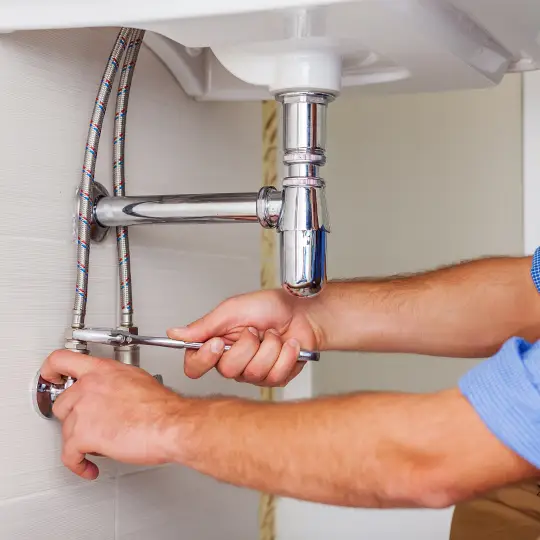
- Inspect Under Sinks and Around Appliances: Check pipes under kitchen and bathroom sinks for any signs of moisture, slow drips, or corrosion. Do not forget to look behind the washing machine and dishwasher. Tighten any loose connections and fix small leaks promptly. A minor drip in the summer can become a bigger issue or even freeze in a cold garage.
- Consistent Warm Air Circulation: Pipes inside exterior walls or in unheated spaces are at risk. On nights when a freeze is forecasted, open cabinet doors under sinks to let your home’s warm air circulate around the pipes. Avoid setting your thermostat below 55°F, even when you are asleep or away for a day or two.
Before the holiday season brings more cooking, guests, and strain on your system, consider a proactive professional drain & sewer cleaning.
Focus on Your Water Heater: The Heart of Winter Comfort
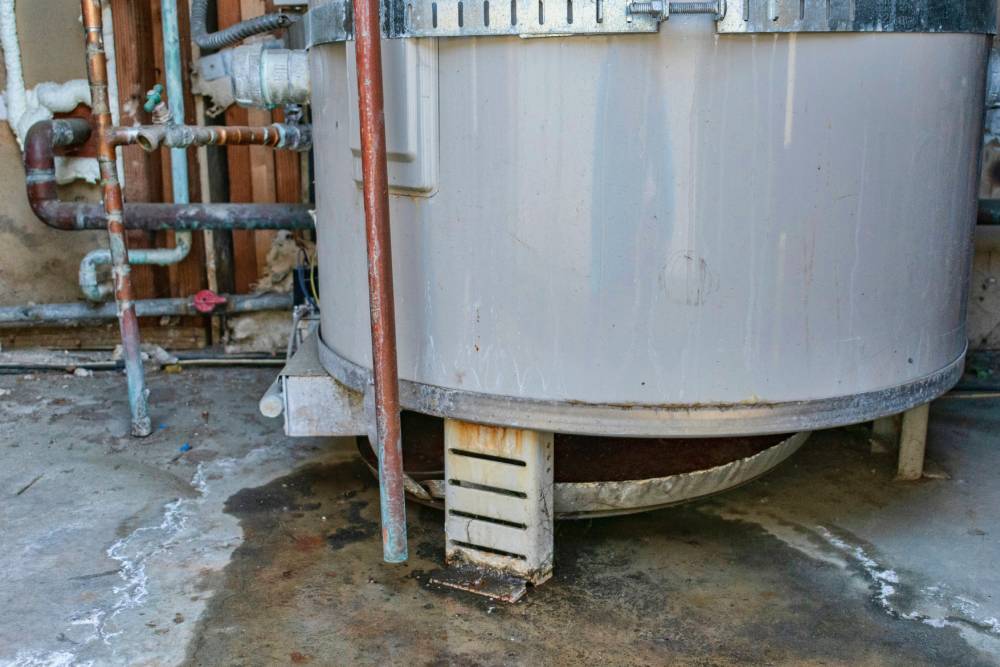
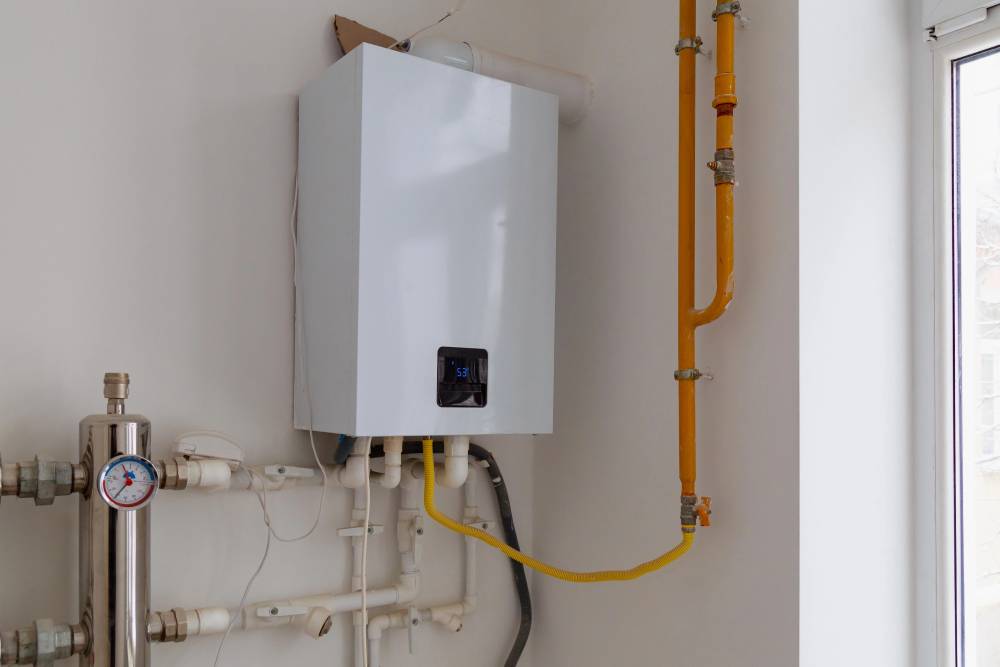
Your water heater works significantly harder in winter as the temperature of groundwater entering your home drops. Giving it attention now pays off in efficiency, lower bills, and a longer lifespan.
- Flush the Tank to Remove Sediment: Mineral deposits and sediment (like sand) settle at the bottom of the tank. This buildup forces the heater to work harder to heat your water, reducing efficiency and lifespan. Attach a garden hose to the drain valve at the bottom of the tank, run it to a floor drain or bucket, and drain several gallons until the water runs clear. If you have never done this, the valve may be stuck, making it a good job for a professional.
- Check and Adjust the Temperature Setting: The U.S. Department of Energy recommends a setting of 120°F. This is hot enough for all household needs, prevents scalding (especially important for children and seniors), and maximizes energy savings. If your dial is set to “Hot” or above 120°F, you are paying to overheat water.
- Inspect for Leaks and Listen for Noises: Check the area around the base of your water heater and the connections for any signs of moisture. Listen for rumbling, popping, or banging sounds when it runs; these noises often indicate a significant layer of sediment at the bottom of the tank that needs flushing.
Proactive Measures and Post-Winter Awareness
Go beyond the basics with these additional tips for complete preparedness and learn what to watch for after the coldest spells.
- Seal Air Leaks That Chill Pipes: Use caulk or spray foam insulation to seal gaps and cracks in exterior walls, especially where pipes enter your home from outside. This keeps cold drafts away from pipes and saves on heating costs.
- Maintain Gutters and Downspouts: While not directly plumbing, this is important. Clogged gutters can cause water to overflow, pool around your foundation, and potentially lead to basement seepage or foundation cracks that affect underground pipes. Clear them out before winter rains arrive.
- Prepare Your Home for Vacations: If you are traveling for the holidays or an extended period, never turn your heat off completely. Set your thermostat to at least 55°F to maintain a safe temperature inside walls and crawl spaces. For very long trips, you can shut off your main water valve and drain the system for absolute peace of mind.
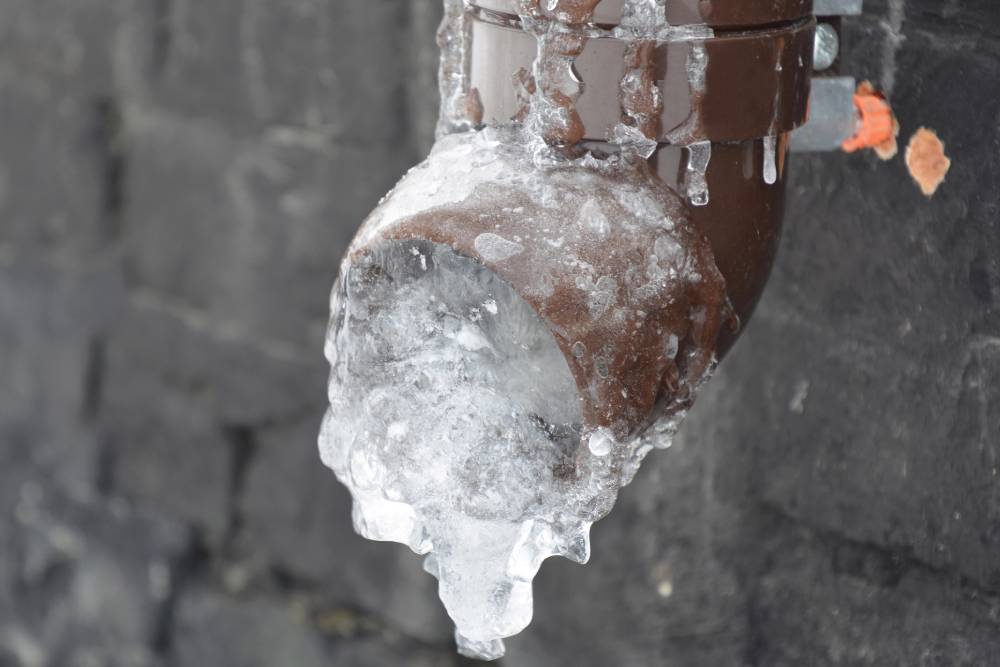
- Know the Signs of a Frozen Pipe: If you turn on a faucet and only a trickle comes out on a cold morning, you may have a frozen pipe. Keep the faucet open and gently apply heat (with a hair dryer or heating pad) to the frozen section, working from the faucet back toward the cold area. Never use an open flame.
Following this comprehensive winter plumbing maintenance checklist is the most effective way to prevent disasters. However, if you encounter complex issues like a complete lack of hot water, a heater that will not stay hot, persistently slow drains, or signs of a hidden leak, it is time to call a professional. We at Sweetwater Plumbing are always here to help with both preventative maintenance and any repairs that come up, offering the local, trusted expertise you need to keep your California home safe and comfortable all winter long.