
For California homeowners, your plumbing is a vital, hidden system working behind your walls and under your floors. Its health directly affects your comfort, safety, and wallet. A whole home plumbing inspection is a comprehensive check-up conducted by a licensed professional. It goes far beyond fixing a single leak; it assesses the entire system to find small issues before they become expensive emergencies. Think of it as a detailed health exam for one of your home’s most important systems.
At its core, this inspection offers a complete picture of your plumbing’s condition. If you’re buying a new home, preparing for renovations, or simply being proactive about maintenance, knowing what to expect demystifies the process. A qualified home plumbing inspector will check every major component, from the point where water enters your house to where it drains away. This guide will walk you through exactly what is included, why each step matters, and how it protects your Ontario home.
The Goals and Scope of a Full Inspection
A professional inspection has three main goals: to ensure safety, verify function, and assess long-term reliability. It is a non-invasive visual and operational check of all accessible plumbing components. The inspector will not tear into walls but will thoroughly examine everything they can see and test all fixtures.
The process typically covers five key areas: the water supply system, drain-waste-vent (DWV) system, water heating equipment, all fixtures and appliances, and gas supply lines (if applicable). This holistic approach guarantees that nothing is missed. For a comprehensive evaluation like this, our plumbing services team uses specialized tools and follows a detailed checklist to give you a clear, actionable report.
What the Inspector Checks: A Detailed Breakdown
- Water Supply Lines and Pressure
The inspector will locate your main water shut-off valve, which is an important piece of information for any homeowner, and test that it works. They will check all visible water supply pipes (often in basements, crawl spaces, or garages) for signs of corrosion, leaks, or outdated materials like polybutylene, which is prone to failure. They’ll also test your home’s water pressure with a gauge; pressure that’s too high stresses pipes and fixtures, while pressure that’s too low indicates a blockage or supply issue.
- Drain, Waste, and Vent (DWV) System
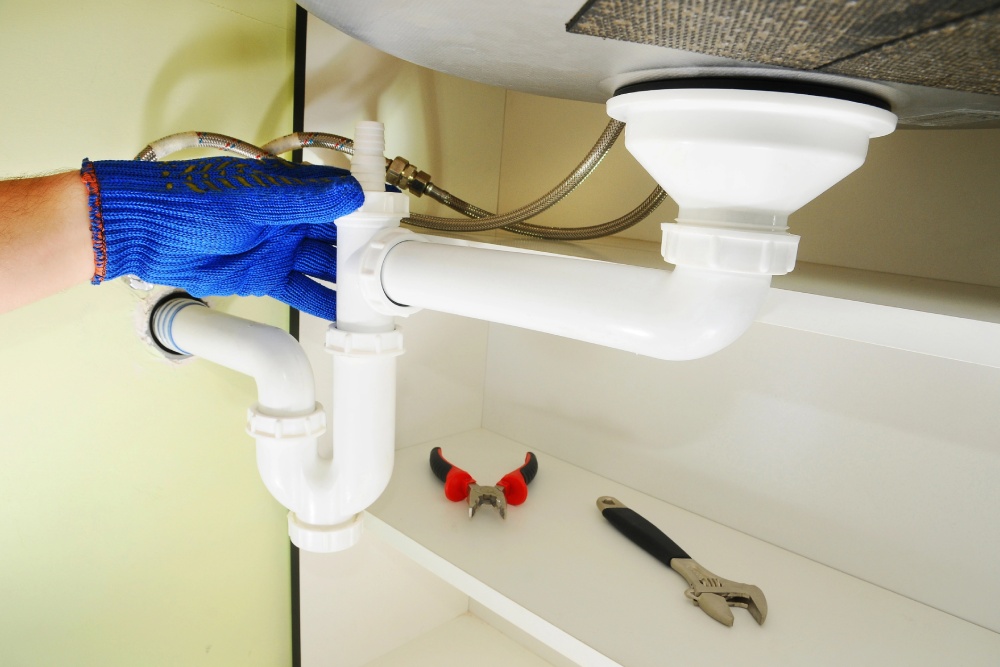
This is the network that carries wastewater out. The inspector will run water in all sinks, tubs, and showers to check for proper drainage and look for leaks under cabinets. They will flush toilets to ensure proper operation and seal. They’ll also check that all drain pipes have proper slope and that vital vent pipes on the roof are clear of obstructions, as blocked vents can cause slow drains and gurgling sounds.
- Water Heater Evaluation
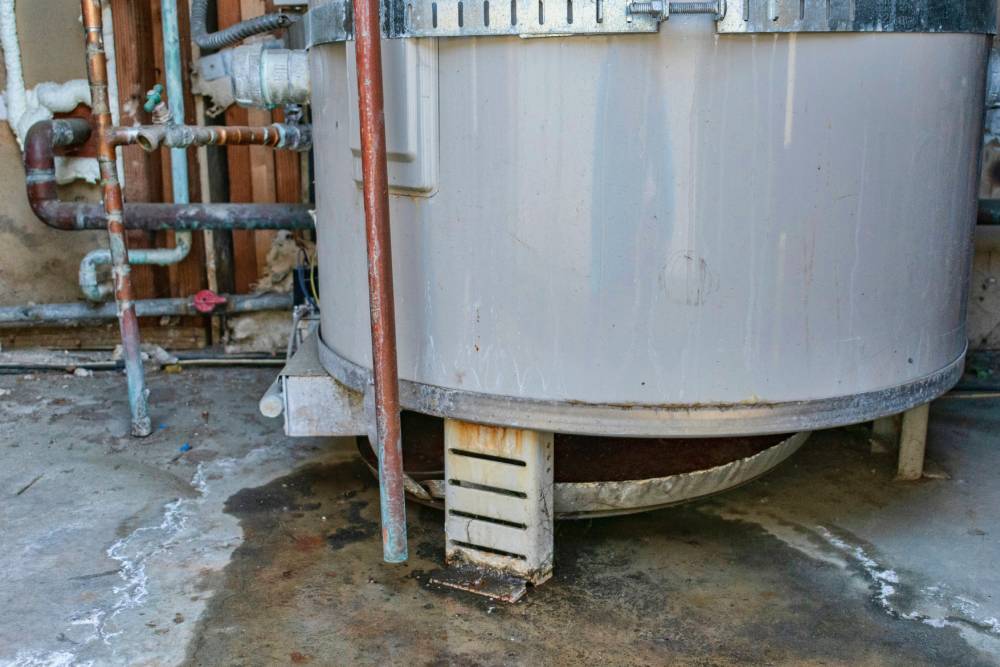
Your water heater is a major appliance that requires specific checks. The inspector will examine its age, condition, and installation. They will check for a properly strapped seismic strap (a key California safety requirement), test the Temperature and Pressure Relief (T&P) valve, look for signs of corrosion or leakage at the base, and check the flame and venting on gas models. This detailed assessment of a key component is a core part of professional water heater services and is important for safety and efficiency.
- Fixtures, Appliances, and Visible Leaks
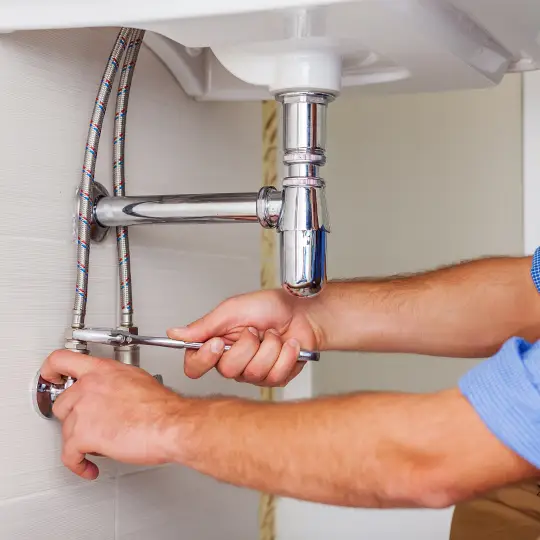
Every faucet, showerhead, and toilet will be operated to check for leaks, proper flow, and drainage. The inspector will look under sinks for moisture or damage and check appliances like dishwashers and washing machines for their supply lines and drain connections. In kitchens and bathrooms, they will also look for signs of past water damage on ceilings or walls, which can indicate hidden leaks.
- Gas Line Inspection (If Applicable)
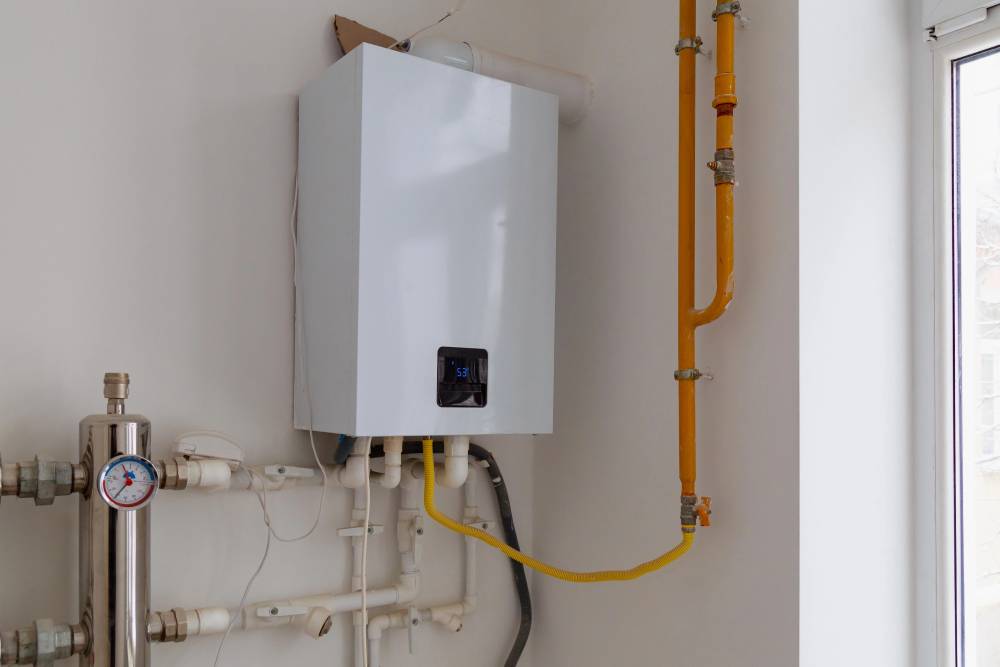
For homes with gas appliances, the inspector will check visible gas piping for corrosion or improper supports. They will use a gas leak detector at connections to the water heater, furnace, and stove to make sure there are no dangerous leaks, offering peace of mind.
The Benefits: Why This Inspection is Worthwhile
Scheduling a home plumbing inspection offers long-term advantages that go beyond immediate problem-solving.
- Prevents Costly Emergencies: Identifying a worn-out water heater or a slowly leaking pipe behind a wall allows you to repair it on your schedule, avoiding a catastrophic flood or failure.
- Improves Efficiency: Finding and fixing leaks, insulating pipes, and adjusting water pressure can reduce your water and energy bills.
- Guarantees Safety: Verifying that gas lines are secure and that safety valves like the T&P valve on your water heater are functional protects your family from potential hazards.
- Offers a Baseline for Future Care: The inspection report becomes a valuable record of your system’s condition, helping you plan and budget for future maintenance or upgrades.
When Should You Schedule an Inspection?
Consider a whole-home inspection during these key times:
- Before Buying a Home: This is perhaps the most important time. It reveals hidden issues that could become your financial responsibility after closing.
- For an Older Home: If your home is over 20 years old, pipes and components may be nearing the end of their lifespan. Proactive inspection is wise.
- As Part of Regular Maintenance: Even in a newer home, a professional inspection every 3-5 years is a smart practice to catch minor wear and tear.
- Before Major Renovations: Knowing the condition of your plumbing is important before remodeling a kitchen or bathroom to avoid surprises during construction.
We often recommend an inspection to our customers who are planning renovations or who have noticed minor, unexplained issues like a faint musty smell or a mysterious increase in their water bill. A thorough inspection gives the answers and the confidence you need to move forward.
A whole-home plumbing inspection is a powerful tool for responsible homeownership. It transforms the unknown into a clear, manageable plan. By understanding what’s included – from the main shut-off valve to the roof vents – you can make informed decisions to maintain your home’s value and safety. For a detailed assessment you can trust, contact a licensed, local professional who knows California’s specific codes and challenges. We at Sweetwater Plumbing are proud to offer this comprehensive service, giving our neighbors in Ontario the clarity and confidence they deserve for their homes.