
Hearing the faint, steady sound of water running in your toilet long after a flush is more than annoying; it is a sign something is wrong. A toilet is running constantly because water is leaking from the tank into the bowl without stopping. This silent waste can send your water bill soaring and strain your home’s plumbing services. Understanding the usual suspects behind this problem is the first step to peace, quiet, and water savings.
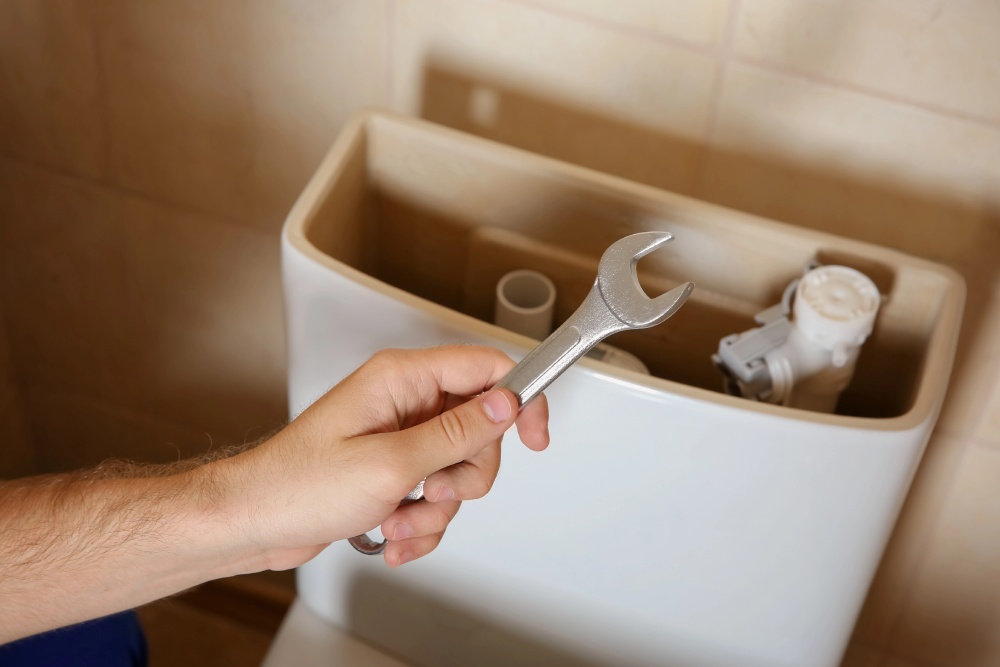
Let us walk through what is happening inside the tank. When you flush, parts inside work together to empty the tank and then refill it to a set level before shutting off. If any of these parts wear out or get out of adjustment, the water will not stop running. Here are the most common culprits.
The Flapper: The Most Common Cause
Think of the flapper as a rubber drain stopper at the tank’s bottom. It lifts to let water rush into the bowl during a flush, then seals the hole tightly so the tank can refill. Over time, this rubber can decay, become warped, or develop mineral buildup. Even a small gap in the seal lets water trickle constantly from the tank into the bowl.
You can check this by adding a few drops of food coloring to the tank water. Wait 20-30 minutes without flushing. If you see color in the bowl, the flapper is leaking. Often, a simple replacement solves the problem. Sometimes, the chain connecting the flapper to the flush handle is too short or tangled, preventing a full seal.
The Fill Valve: The Tank’s Water Manager
The fill valve (often a tall, thin assembly with a floating cup or ball) controls the water coming into the tank. When it malfunctions, it may not shut off, causing a constant flow of fresh water that then drains out through the overflow tube. You will often hear a hissing or trickling sound.
Older ballcock-style fill valves with a floating ball are especially prone to wear. Newer fluid-master styles are more reliable. Adjusting the float height might help. If the water level is set too high, it spills into the overflow tube. If adjusting does not work, the entire fill valve assembly may need replacing, a straightforward DIY job for many.
The Float: Setting the Water Level
Connected to the fill valve is the float. Its job is to rise with the water level and tell the fill valve to shut off. If the float is set too high, water flows into the overflow tube. If it is damaged, water-logged, or obstructed, it cannot rise properly, so the fill valve never gets the signal to stop.
For a ball float, a gentle bend in the arm can lower the water level. For a cup-style float, you slide an adjustment clip. Make sure nothing is blocking the float’s path. In cases of major clogged drains, sediment can enter the tank and interfere with these parts, which is why persistent drain & sewer cleaning issues can sometimes lead to other plumbing surprises.
The Overflow Tube: A Safety with a Role
The overflow tube is a safety feature. It prevents the tank from overfilling by sending excess water into the bowl. However, if the water level is adjusted too high or the fill valve is faulty, water will continuously run down this tube. The fix here is not the tube itself but adjusting the float or repairing the fill valve to lower the water level to about an inch below the tube’s top.
When Should You Call a Professional?
While many running toilet fixes are simple, there are times when DIY is not the best path. If you have replaced the flapper and adjusted the fill valve but the running persists, the issue could be more complex. Cracks in the tank or bowl, problems with the flush valve seat (where the flapper seals), or hidden leaks in the supply line need a trained eye.
For families in Ontario, CA, a constantly running toilet wastes a precious resource. As your local, licensed plumbers, we at Sweetwater Plumbing are here for those repairs that need expert hands. We can diagnose the problem quickly and make sure the fix is reliable and long-lasting.
A running toilet is a call for attention from your home. Tackling it quickly saves water, money, and your sanity. By checking these key components, you can often solve the problem yourself. But when in doubt, calling a professional ensures the job is done right, protecting your home from water damage and higher costs down the line. Remember, at Sweetwater Plumbing, we are always ready to help you restore quiet and efficiency to your bathroom with trusted, local service.