
Your water heater works hard every day, often without you giving it much thought – until something goes wrong. Knowing when to replace your water heater can save you from the frustration of a cold shower and the expense of water damage or an emergency repair. The good news is that water heaters usually give us plenty of warning before they fail completely. Learning to recognize these signs helps you make a smart, planned decision instead of a panicked one.
The clues range from subtle changes you might notice over time to clear, urgent red flags. Let us guide you through them, from the first whispers of trouble to the definite signs it is time for an upgrade. If you are unsure after reading, a professional assessment from our team is always a good next step.
The First Clue: Age and Efficiency Loss
The most straightforward sign is often the age of your unit. The typical tank-style water heater has a lifespan of 8 to 12 years. If your heater is within or past this range, it is living on borrowed time. You can check the manufacturer’s sticker on the unit; the serial number usually contains the manufacturer’s date.
An older heater does not just risk breaking down; it becomes inefficient. You might see a steady, unexplained climb in your energy bills as it works harder to heat the same amount of water. This silent cost is a key reason to consider a newer, more efficient model.
Key Warning Signs You Can See and Hear
As a heater nears the end of its life, it will start to show more obvious symptoms. Pay attention to these changes:
- Rusty or Discolored Water: If you see brownish or reddish water only when you run the hot tap, it is a strong indicator of internal tank corrosion. This rust comes from inside the tank itself and means its protective lining is failing.
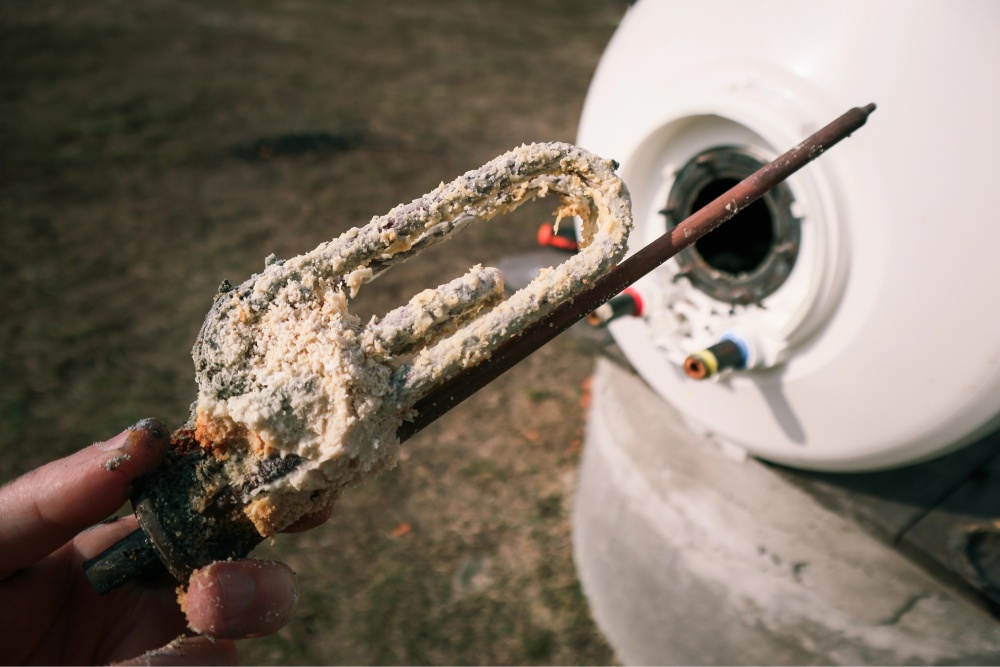
- Rumbling, Popping, or Banging Noises: These sounds are caused by sediment that has hardened at the bottom of the tank. The heater must heat through this layer, creating noise, reducing efficiency, and stressing the tank.
- Inconsistent or Insufficient Hot Water: If your hot water runs out faster than it used to, or the temperature fluctuates during a shower, your heater is struggling. This can be due to a failing heating element, severe sediment buildup, or a faulty thermostat.
Urgent Red Flags: Leaks and Frequent Repairs
Some signs mean you should act quickly to prevent property damage or make a final decision.
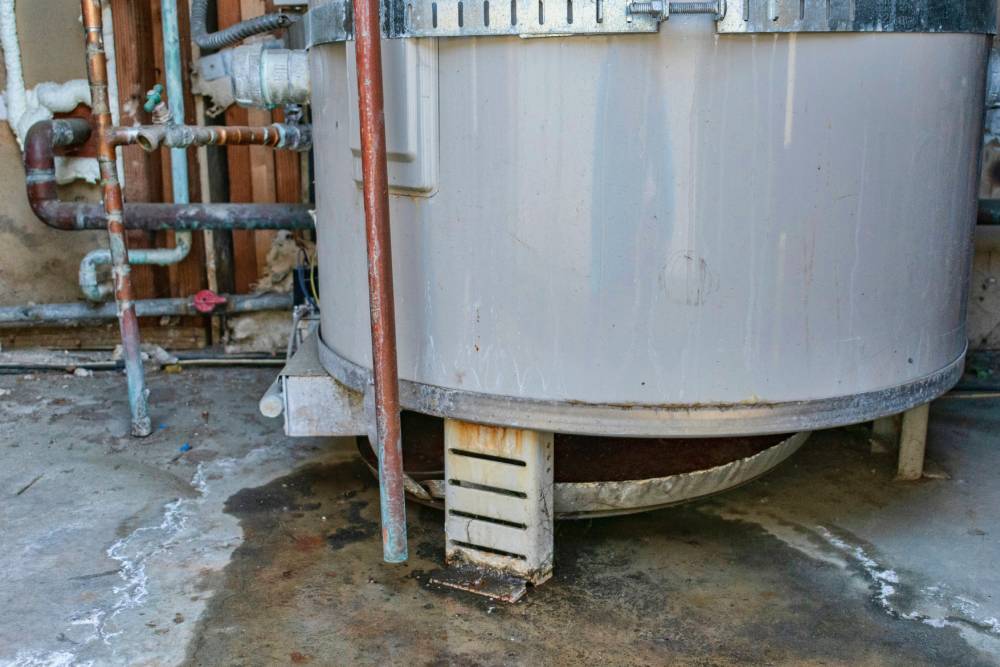
- Water Pooling Around the Base: Any moisture or active leaking from the tank itself is a serious sign. Small leaks often indicate the inner tank has cracked or corroded through. A leaking tank cannot be repaired and must be replaced to avoid a major flood.
- The Need for Frequent Repairs: If you are calling for service repeatedly, those costs add up. When repair costs approach 50% of the price of a new unit, replacement is almost always the more cost-effective choice. Investing in a reliable new system ends the cycle of breakdowns.
For persistent problems like strange noises or a sudden lack of hot water, professional water heater services can provide a precise diagnosis and tell you if a repair will suffice or if replacement is the wiser long-term investment.
Making the Decision: Repair or Replace?
When you notice a problem, how do you decide the best path forward? Consider this simple guide:
- Consider Repair If: The unit is less than 7-8 years old, the problem is minor (like a faulty pressure relief valve), and repair costs are low.
- Plan for Replacement If: Your heater is more than 10 years old and beginning to show additional warning signs, it may be time to consider replacement. When a significant repair approaches roughly half the cost of a new unit, installing a new system is usually the more cost effective choice.
- Replace Immediately If: There is any leaking from the tank itself, or you see rusty water coming from the hot side of your faucets.
When replacement is the right call, a professional water heater installation is important. Proper sizing, code-compliant setup, and safe connections make sure your new unit performs efficiently and lasts if possible.
Trust Your Instincts and Seek Expert Advice
Your water heater is an important part of your home. Recognizing these signs empowers you to take control. If you are noticing a combination of these warnings, it is better to be proactive.
We help homeowners in our community navigate this decision every day. Our advice is always based on what is best for your home and budget. If you are unsure about the condition of your water heater, do not hesitate to reach out for an honest, professional evaluation.