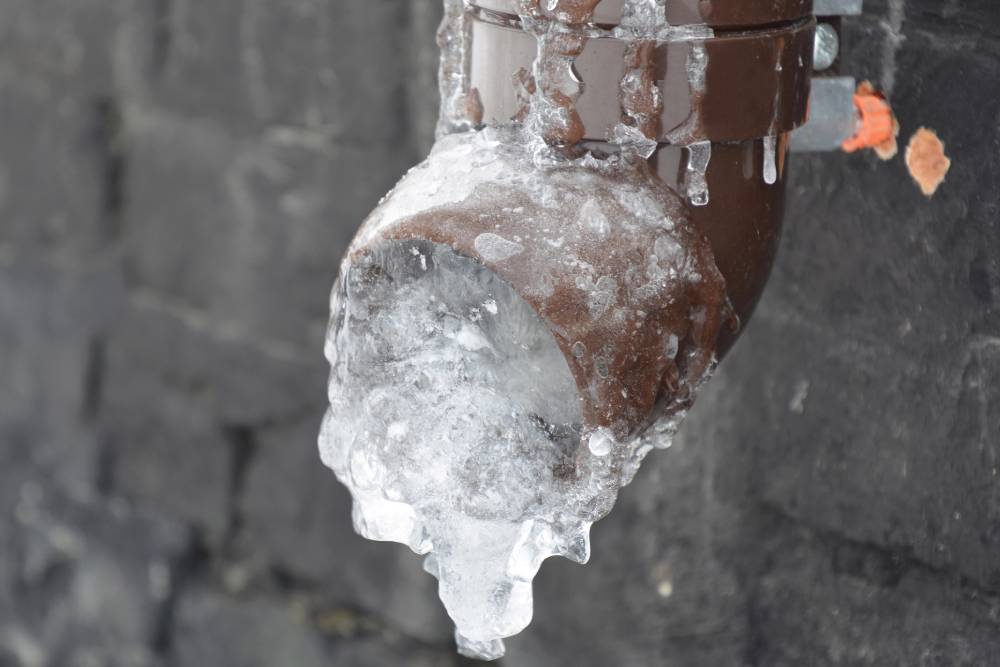


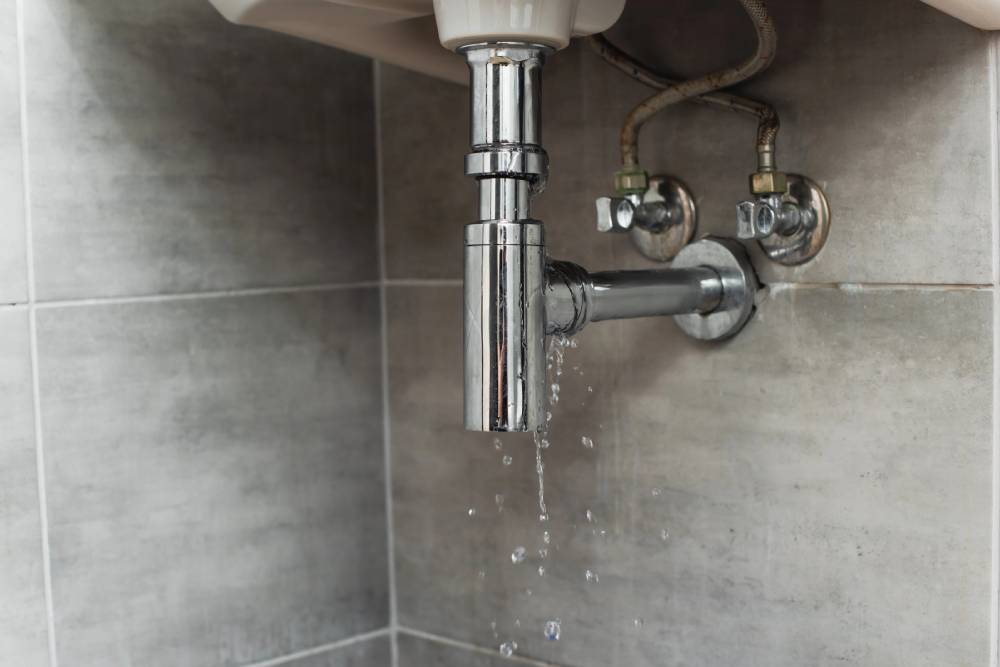
Freezing temperatures turn liquid into solid ice inside metal or plastic pipes during the coldest months. This ice expands with great force and puts extreme pressure on the plumbing walls until they crack. Small drips quickly turn into a major water leak in winter, which destroys floors and drywall within minutes. Ice creates a silent threat that stays hidden behind walls until the spring thaw arrives. Fixes require fast action to stop moisture from ruining the structural wood or growing black mold. We help fix these disasters by offering emergency 24-hour plumbing repair services in California for every neighborhood. Our team brings tools to find the source and repair the damage before costs grow too high.
How Cold Weather Can Cause Water Leaks
Freezing air reaches pipes located in crawl spaces or against outside walls when the heater fails. Water molecules move apart as they freeze and create a blockage that stops normal flow immediately. This solid ice grows larger and pushes against the inner surface of the pipe with immense power. Metal stretches past its limit and eventually splits open along the seams or at weak joints. This physical change happens quickly during a sudden cold snap without any warning to the household.
Water begins to spray out of the new cracks as soon as the ice starts melting. Liquid finds the easiest path through insulation and wood to reach the living spaces down below. Drips often start slowly but gain speed as the hole in the pipe grows much wider. High water pressure pushes hundreds of gallons through the break and floods the basement very fast. Moving parts like outdoor faucets also break when ice traps extra water inside the brass body.
Why Water Leaks Are Hard to Detect
Snow and ice cover the ground and hide signs of moisture leaking from the main line. Wet spots stay invisible because the frozen earth prevents water from rising to the surface quickly. Sound disappears behind thick layers of insulation that muffle the noise of a spraying pipe wall. Pipes tucked away in attics or behind heavy cabinets stay out of sight during daily life. Small cracks leak slowly and do not cause a noticeable drop in the water pressure.
Stains on the ceiling appear long after the actual break happened inside the dark wall cavity. Soft spots on the floor feel like normal wear until the wood begins to rot. Hidden leaks allow mold to grow in dark corners where fresh air never reaches the surface. These spores spread through the vents and ruin the air quality inside the house for months. Finding the exact spot requires special cameras or listening devices that hear water moving underground.
Signs of a Hidden Water Leak in Winter
Small changes in the house often signal that a pipe broke somewhere deep inside the wooden frame. Recognizing these red flags early helps prevent a massive flood when the ice finally melts away completely.
- Water Meter: Checking the dial on the water meter reveals if liquid moves through the pipes while every faucet is off. A spinning needle confirms that a hole exists in the plumbing system and wastes money every single hour. This test offers a simple way to find a problem before seeing actual puddles on the floor. Fixes become much easier when a break stays small and manageable.
- Sound Cues: Hissing or bubbling noises coming from behind the drywall often mean a pipe has cracked under heavy pressure. These sounds remain constant even when nobody uses the shower or the kitchen sink for several hours. Listening closely to the walls during the quiet night helps find the general location of the plumbing failure. Moving water creates vibrations that travel through the metal tubes and into the studs.
- Wall Spots: Discolored patches on the wallpaper or ceiling indicate that moisture is soaking through the thick building materials right now. These stains often look yellow or brown and feel damp or soft when touched with a finger. Dark spots grow larger as the ice melts and releases more liquid into the insulation and wooden beams. Fast action prevents the drywall from crumbling onto the furniture and ruining the carpet.
- High Bills: Utility statements that show a sudden jump in usage often point toward a major leak in the main line. Comparing the current bill to the same month last year reveals if the house uses more water than normal. Constant leaks waste thousands of gallons while the family sleeps and drive up the monthly costs very quickly. Paying for wasted water hurts the budget and signals a need for professional repairs.
Common Places for Water Leaks in Winter
Plumbing fails in specific areas where the cold wind hits the pipes or where heat is lacking. Inspecting these spots regularly helps find cracks before they cause expensive damage to the foundation or the walls.
- Outside Taps: Garden hoses left attached to the house trap water inside the faucet body during the first hard freeze. This trapped liquid expands and cracks the brass valve or the pipe leading back into the warm house. Removing the hose allows the water to drain out so the metal stays safe all season long. These leaks often stay hidden until the first time someone turns the handle in spring.
- Attic Pipes: Unfinished attics lack enough heat to keep the plumbing warm when the outside temperature drops below freezing. Wind blows through small gaps in the roof and chills the copper lines until the water inside turns solid. Adding thick foam sleeves around these tubes helps block the cold air and keeps the liquid moving correctly. Frozen attic pipes cause the most damage because the water falls through every lower floor.
- Kitchen Sinks: Pipes located against the exterior walls of the kitchen often freeze because the cabinet doors block the room’s heat. Cold air seeps through the siding and chills the drain lines and the supply lines until they snap. Opening the doors under the sink allows warm air to reach the plumbing and prevents ice from forming. Keeping this space warm stops the pipes from bursting during a long and snowy night.
- Crawl Spaces: Dark areas under the house contain many pipes that have no protection from the freezing mud and wind. Damp air makes the metal cold very fast and leads to tiny cracks that spray water onto the dirt. These leaks stay invisible for a long time because nobody goes under the house to check the plumbing. Fixing these pipes requires crawling through tight spaces to reach the source of the flood.
Call Sweetwater Plumbing for Fast Service Today
Frozen pipes cause massive stress and ruin the comfort of your home when the ice finally breaks the metal. We stop the flow of water and fix the damage fast so you can return to your normal life. Our team of certified master plumbers for California handles every type of pipe repair with professional tools and great skill. We offer expert leak detection services to find the exact spot of the trouble. Sweetwater Plumbing stays ready all day and night to help with drains or water heaters during the coldest winter storms. Trust our experts to protect your property and provide the best local service for your residential or commercial needs.