Discovering water damage from a broken pipe or leak is a stressful moment for any homeowner. Your first question is likely, “Will my insurance pay for this?” The answer is not a simple yes or no. Does homeowners insurance cover plumbing problems? Generally, yes, but only for sudden and accidental damage; not for issues that develop slowly over time. Understanding this key difference is important to knowing what to expect from your policy and how to protect your home effectively.
Insurance is designed as a safety net for unexpected disasters, not a maintenance plan. This core principle guides every claim decision. Let us walk through exactly what your policy will likely cover, what it almost always excludes, and the steps you can take to make sure you are not left facing a major repair bill alone.

What’s Typically Covered: Sudden and Accidental Damage
Your standard policy is there for surprises. Coverage usually applies when water damage happens quickly and without warning from a cause listed in your policy, known as a “covered peril”.
Common scenarios that are often covered include:
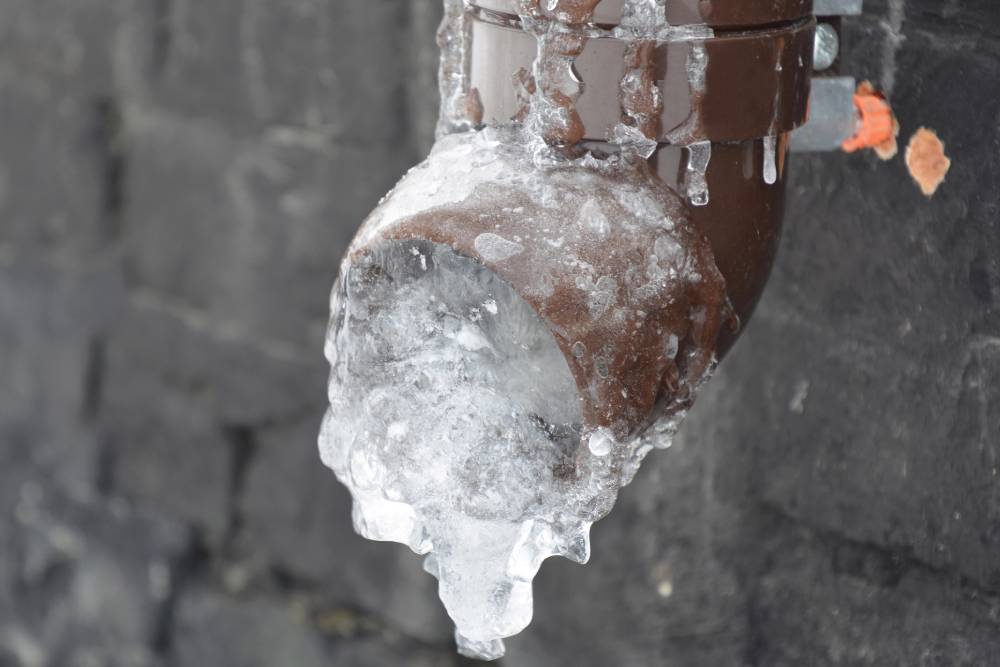
- Burst Pipes: A pipe that freezes and bursts in winter is a classic example. Your insurance would likely cover the water damage to your floors, walls, and belongings. However, the cost to repair the pipe itself is usually not covered.
- Appliance or Fixture Failures: If a washing machine hose suddenly ruptures, your dishwasher overflows, or a toilet has an accidental overflow, the resulting water damage is typically covered.
- Vandalism: Deliberate acts, like someone breaking a sink or severely damaging a pipe, are typically covered. The resulting water damage to your home falls under the “vandalism” peril, but repairing the damaged fixture itself may not be.
- Damage from Other Covered Events: If a kitchen fire melts a plumbing line or a fallen tree breaks a pipe, the water damage from these incidents would fall under your policy’s dwelling coverage.
In these cases, three parts of your policy work together. Dwelling coverage pays to repair the structure of your home (walls, floors). Personal property coverage helps replace damaged belongings (furniture, electronics). If the damage forces you to leave home, loss of use coverage can pay for temporary housing and meals.
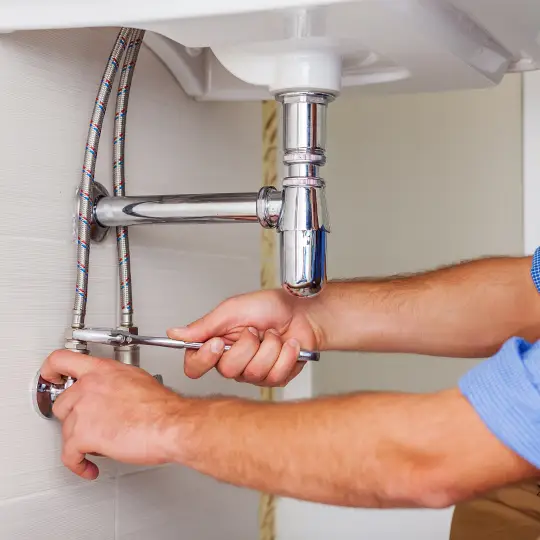
While your insurance helps with the aftermath, the repair of the broken component itself is often your responsibility. For reliable repairs on your home’s system, from a single burst pipe to a full fixture replacement, professional plumbing services are key to preventing a repeat incident.
What’s Almost Never Covered: Gradual Wear and Maintenance
This is the area where many claims are denied. Your insurer expects you to maintain your home, so problems that develop slowly due to neglect or normal aging are your responsibility.
You will likely be responsible for costs related to:
- Gradual Leaks and Seepage: A slow drip under a sink that causes rot over months, or a leaking shower pan that damages a subfloor, is considered a maintenance issue.
- General Wear and Tear: Corrosion, rust, and the natural deterioration of pipes and plumbing fixtures over time are not covered.
- Neglect and Lack of Maintenance: If you ignore a minor leak or fail to winterize your pipes before a deep freeze, any resulting damage could be denied as negligence. For instance, an insurer may deny a claim for a burst pipe if you were on vacation and turned your heat off completely.
- Sewer Backups and Sump Pump Failure: These are specifically excluded from standard policies and require a separate endorsement or rider.
- Flooding: Damage from water entering your home from the outside, like from an overflowing river or heavy ground saturation, requires a separate flood insurance policy.
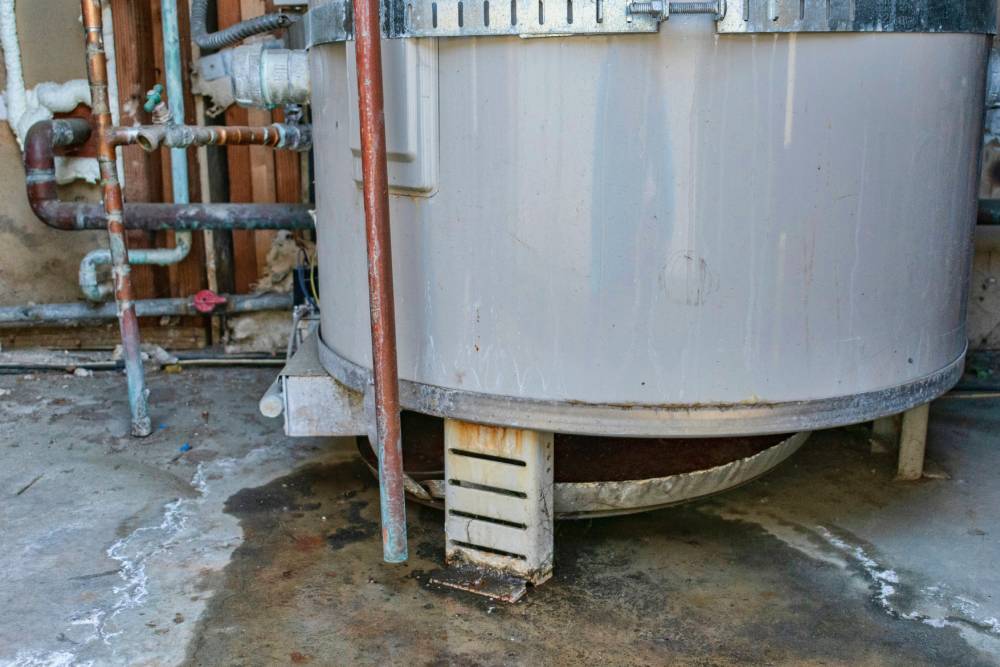
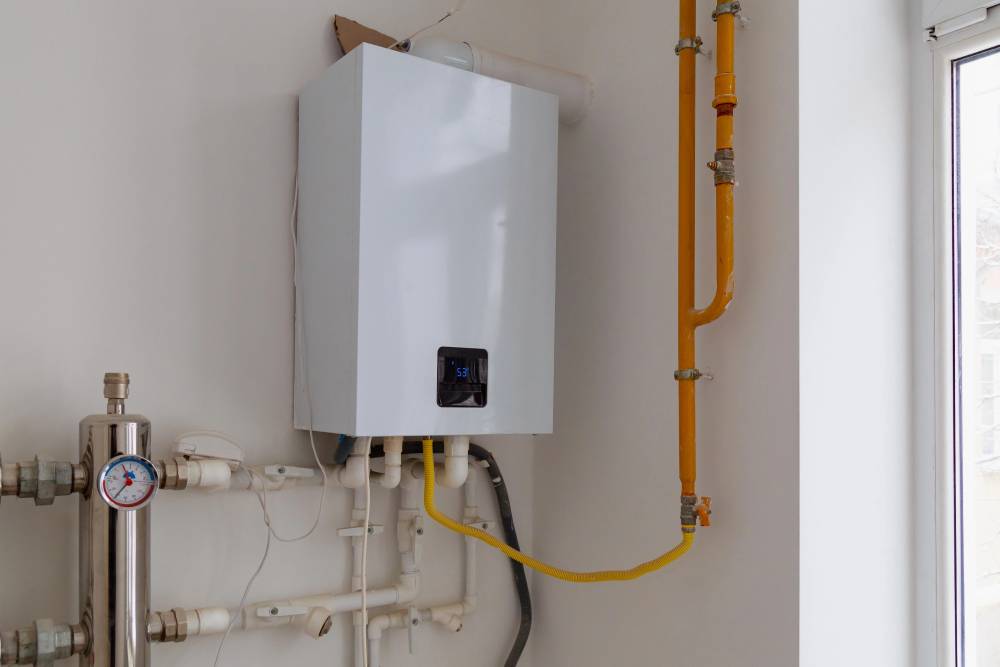
A prime example of an excluded maintenance issue is an old water heater that finally rusts through and leaks. While the resulting flood damage might be covered, the cost to replace the water heater unit itself would not be under a standard policy. For help with installing or servicing these important appliances, specialized water heater services from a licensed professional are your best resource.
Necessary Add-Ons: How to Fill the Gaps in Coverage
Because standard policies have clear limits, you can purchase additional endorsements to extend your protection. These are often affordable and can save you from devastating out-of-pocket costs.
Consider discussing these with your insurance agent:
- Water/Sewer Backup Coverage: This protects you if water or sewage backs up into your home through drains or a failed sump pump – a messy and expensive cleanup that standard policies exclude.
- Service Line Coverage: Your standard policy does not cover the underground pipes that run from the street to your house. If your underground water or sewer line breaks, repair costs can reach $10,000 or more. This endorsement covers those repairs and the associated excavation.
- Equipment Breakdown Coverage: This can cover the repair or replacement of a malfunctioning appliance (like a water heater or air conditioner) that fails due to a mechanical or electrical issue.
How to File a Plumbing-Related Insurance Claim
If you experience sudden damage, taking the right steps can make the claims process smoother:
- Stop the Water & Prevent Further Damage: Shut off the main water supply immediately. Take reasonable steps to mitigate damage, like moving belongings and mopping up water.
- Document Everything Thoroughly: Before cleaning up, take clear photos and videos of the damage, the source of the leak, and all affected items.
- Contact Your Insurer Promptly: Report the claim to your insurance company as soon as possible to start the process.
- Keep Records of Repairs: Save all receipts for emergency mitigation services and any temporary repairs you make.
When our team at Sweetwater Plumbing is called to a home for an emergency leak, we often advise homeowners to take these initial steps before we begin our work, as proper documentation is important for a fair claims process.
Understanding your homeowners insurance coverage empowers you to maintain your home proactively and know what to expect in an emergency. At Sweetwater Plumbing, we believe that an informed homeowner is our best customer. By focusing on prevention, such as insulating pipes and fixing small leaks fast, you can avoid the most common uncovered disasters. Always review your specific policy and talk to your agent to understand your coverage limits, deductibles, and any optional endorsements that would benefit your home.