

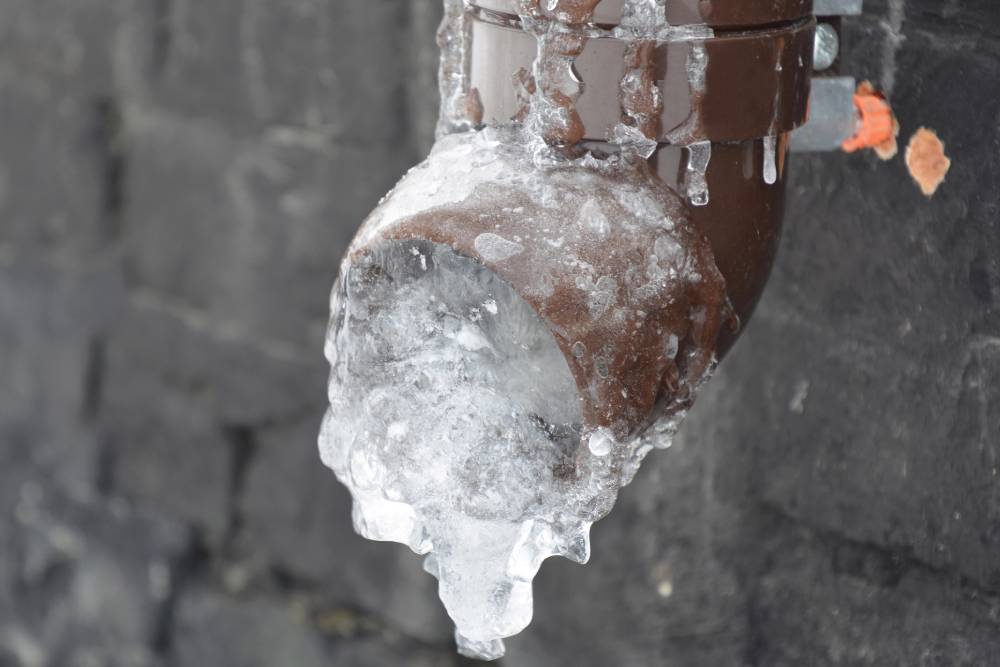
Winter weather can bring about many challenges, especially when it comes to maintaining plumbing. One of the most important tasks to protect your home from harsh temperatures is learning how to drain pipes for winter. This simple process can help avoid frozen pipes, which can lead to costly repairs. By taking a few minutes to drain your pipes, you can ensure the longevity of your plumbing system and prevent unexpected problems during the colder months.
As certified plumbing contractors in CA, we can help with expert advice and service on how to drain pipes for winter effectively. Protect your property by hiring the top rated plumbing company in Ontario, CA for help.
Why Draining Pipes for Winter Is Important
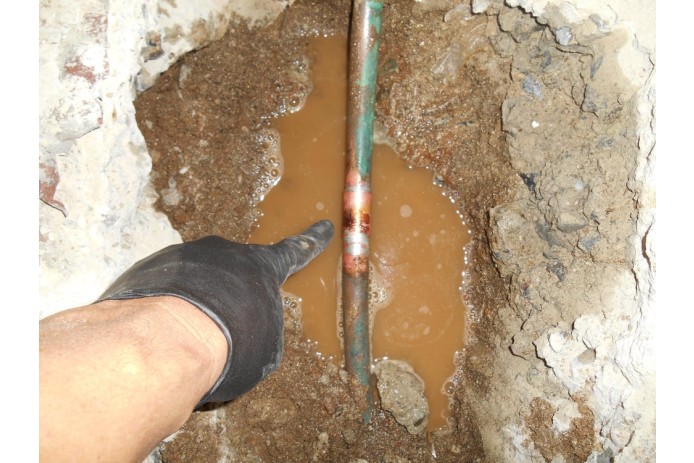
Freezing temperatures turn liquid water into solid ice that pushes against the interior walls of your plumbing. This physical pressure creates small cracks or large holes that leak water everywhere once the spring thaw begins. Emptying every line removes the source of this danger and keeps the plumbing system safe and dry. Constant cold air exposure makes pipes brittle and more likely to break without proper seasonal maintenance and care.
Signs That Your Pipes Are Vulnerable to Freezing
Detecting risks early prevents major disasters before the first snow hits the ground this year.
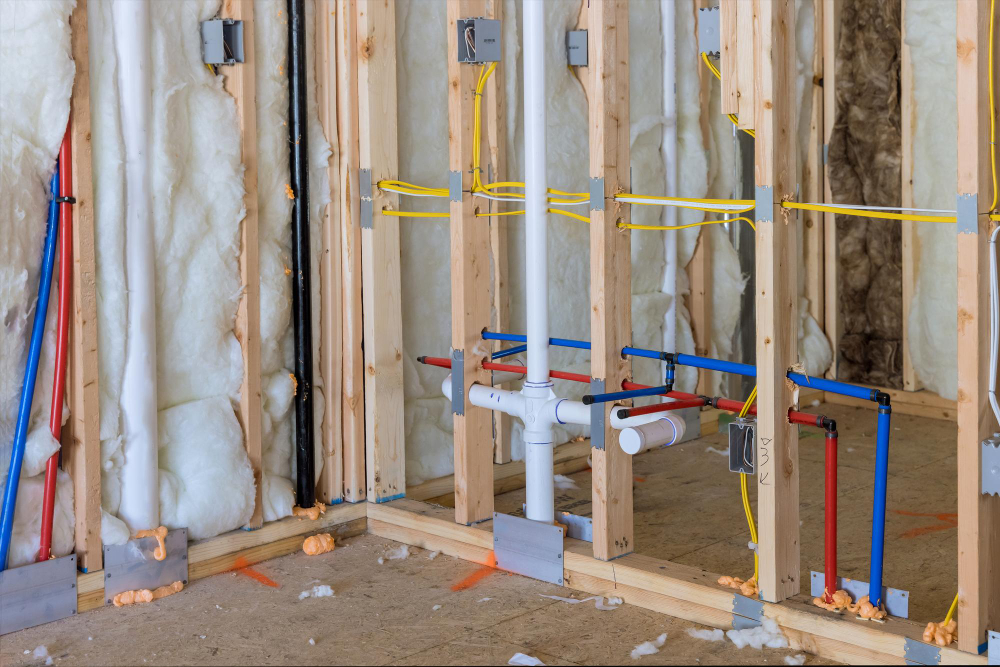
- Uninsulated walls: Pipes located inside exterior walls lack protection from the biting cold air moving through the siding. These lines feel much colder than the air inside the living room during the night. Adding insulation or moving the lines helps maintain a safe temperature throughout the winter months. Watch for frost on the drywall because this indicates a serious lack of heat near pipes.
- Drafty crawlspaces: Cold wind whistles through small gaps in the foundation and hits the exposed water lines directly. These vents stay open during the summer but need sealing before the temperature drops below freezing. Moving air strips heat away from the metal pipes faster than still air in a basement. Check the floorboards for cold spots that signal a draft hitting the plumbing system below.
- Outdoor faucets: Garden hoses left attached to the house trap water inside the metal valve during the autumn. This trapped liquid freezes and expands back into the house plumbing where it causes a break. Disconnecting hoses allows the water to exit the pipe before the ice forms in the line. Many homeowners forget this small task and face a huge flood in the kitchen later.
- Cracked foundation: Tiny openings in the concrete permit freezing air to reach the main water supply line easily. These gaps act like a funnel for cold wind that lowers the temperature of the plumbing. Filling these cracks with spray foam or caulk keeps the warm air inside the house. Constant monitoring of the basement walls prevents surprise leaks when the ground begins to freeze solid.
Step-by-Step Guide to Drain Your Pipes
Following a logical sequence helps remove every drop of liquid from the plumbing system before the deep freeze.
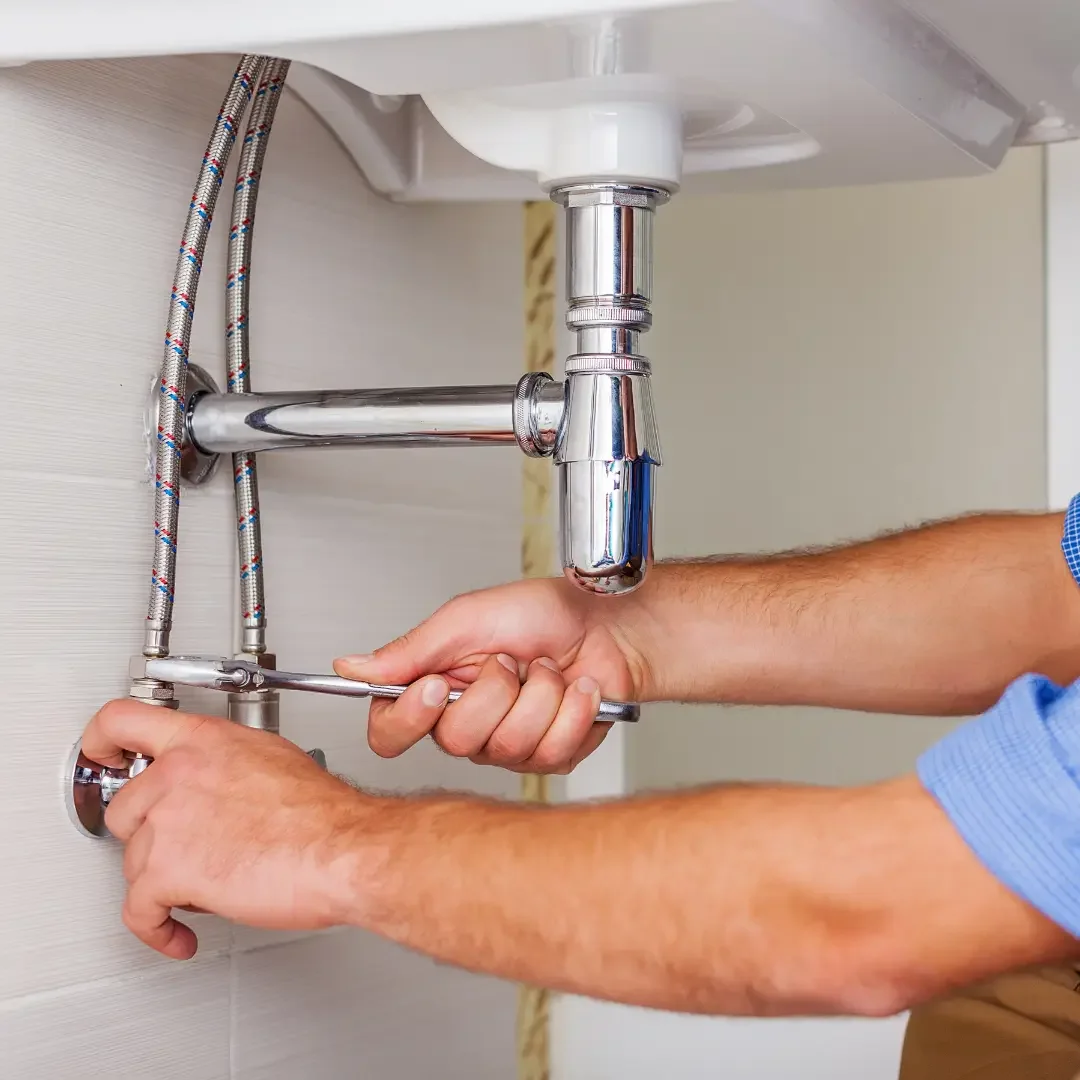
- Main Valve: Locate the primary water shutoff valve near the street or inside the basement to stop new flow. Turn the handle clockwise until it stops moving to cut off the main supply to the house. This action prevents the pipes from refilling while you work on clearing the existing water. Double check that the valve is tight to avoid any slow leaks during the process.
- Open Taps: Turn on every faucet in the house starting from the top floor and moving down to the basement. Open both hot and cold handles to let air enter the system and push the water out. This step breaks the vacuum seal and allows the liquid to flow freely toward the lowest exit. Keep the taps open until the very last drip falls into the sink.
- Flush Toilets: Press the lever on every toilet in the home to empty the tanks and the internal bowls completely. Hold the handle down to ensure as much water as possible leaves the porcelain fixture and enters the drain. Pouring a small amount of plumbing antifreeze into the bowl prevents the remaining trap water from freezing. This protects the fragile ceramic from cracking during the coldest winter nights.
- Low Drains: Find the lowest drain plug in the house, which is usually located near the main water shutoff valve. Place a bucket under the opening and remove the cap to let the remaining liquid escape. This final exit point clears the heavy pipes that sit below the level of the regular sinks. Make sure the bucket does not overflow as the last of the water drains.
- Hose Bibs: Head outside to open the exterior faucets and let any trapped liquid flow out onto the ground. Remove any garden hoses that are still attached to the spigots to prevent ice from backing up. Open the valve fully so the air can circulate through the pipe and dry out the interior. Leaving these open allows for expansion if any moisture remains inside.
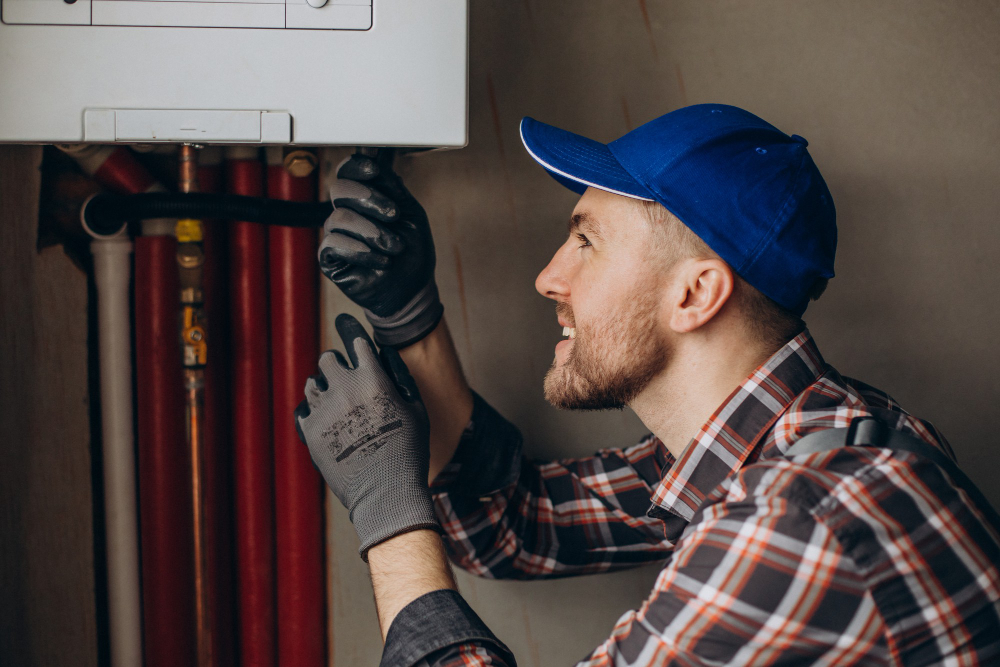
- Water Heater: Turn off the power or gas supply to the water tank before attempting to empty the large drum. Connect a garden hose to the drain valve at the bottom and lead it to a floor drain. Open the pressure relief valve to let air in while the hot water flows out of the tank. This prevents the large tank from bursting due to internal ice pressure.
- Blow Out: Use a small air compressor to blow air through the lines and remove any stubborn pockets of moisture. Set the pressure low to avoid damaging the joints or valves while you clear the entire system. Attach the air hose to a faucet and watch for mist exiting from the other open taps. This final step ensures that the pipes are completely dry and safe.
Common Mistakes to Avoid When Draining Pipes
Small errors during the draining process lead to hidden ice pockets that cause massive property damage later.
- Ignoring Hoses: Leaving a garden hose attached to an outdoor tap traps water inside the wall and causes breaks. The hose prevents the spigot from draining properly, even if the indoor valve is shut off tightly. Ice travels up the hose and into the house, where it splits the metal. Always disconnect every hose and store them in a dry place for the winter.
- Closed Taps: Forgetting to leave the faucets open stops the air from moving through the pipes and creates a vacuum. This suction holds water inside the lines even when the main valve is off and the system is low. Air must circulate to allow the liquid to fall toward the drain. Keep every handle in the open position to ensure the entire system stays empty.
- Skipping Toilets: Failing to empty the toilet tanks leaves a large volume of water that can freeze and shatter porcelain. The water in the trap at the bottom of the bowl also needs protection from the cold. A cracked toilet requires a full replacement and can lead to leaks on the bathroom floor. Use a plunger or sponge to remove every bit of standing water today.
- Rushing Work: Moving too quickly through the steps often leaves small amounts of water in the low spots of the plumbing. These tiny puddles expand when they freeze and put stress on the pipe elbows and joints. Take the time to wait for every faucet to stop dripping before finishing the job. Slow and steady work protects the home from expensive plumbing repairs in the spring.
How Long to Leave Pipes Drained During Winter
Lines should stay empty as long as the outdoor temperature remains below the freezing point for several hours. Keeping the system dry throughout the entire snowy season prevents the risk of accidental bursts during sudden cold snaps. Many property owners wait until the ground thaws completely before restoring the water flow to the house. Constant protection is the best way to avoid surprise floods when the weather finally warms up.
When to Call a Professional for Help
Complex plumbing systems with multiple zones or irrigation lines often require expert tools to clear every hidden water pocket. If the main shutoff valve feels stuck or leaks when turned, a licensed plumber must replace the hardware. Professionals use high volume air compressors to guarantee the lines are dry without causing damage to the valves. Seeking help is wise if you are unsure about the location of all your drain points.
Call Us at Sweetwater Plumbing for Winter Pipe Protection
Winterizing your pipes is key to preventing costly damage. At Sweetwater Plumbing, we specialize in drain and sewer cleaning services in Ontario, CA, helping homeowners protect their plumbing systems during freezing temperatures. With 24/7 service and licensed expertise, we deliver reliable solutions. If you’re concerned about leaks, our team are trusted plumbing experts for leak detection and can help you catch potential issues early. Don’t wait for an emergency; let us help you safeguard your home’s plumbing today! Contact us now for efficient, affordable service.