

Your bathroom is a hub of daily activity, and its smooth operation depends on a hidden network of pipes and fixtures. Understanding the basics of your bathroom plumbing can help you spot small issues before they become big problems. It can also make conversations with a plumber clearer. This overview will explain the two main systems at work behind your walls and under your floors: the one that brings fresh water in and the one that takes waste water out.
At its core, bathroom plumbing is about pressure and gravity. Pressurized pipes deliver clean water to your fixtures, while gravity-driven pipes carry waste away. Vent pipes keep the air flowing to prevent traps from siphoning. When any part of this system fails, it can lead to the need for a professional bathroom plumbing repair. Knowing how it all connects helps you appreciate the complexity and know when to call for help.
The Water Supply System: Bringing Fresh Water In
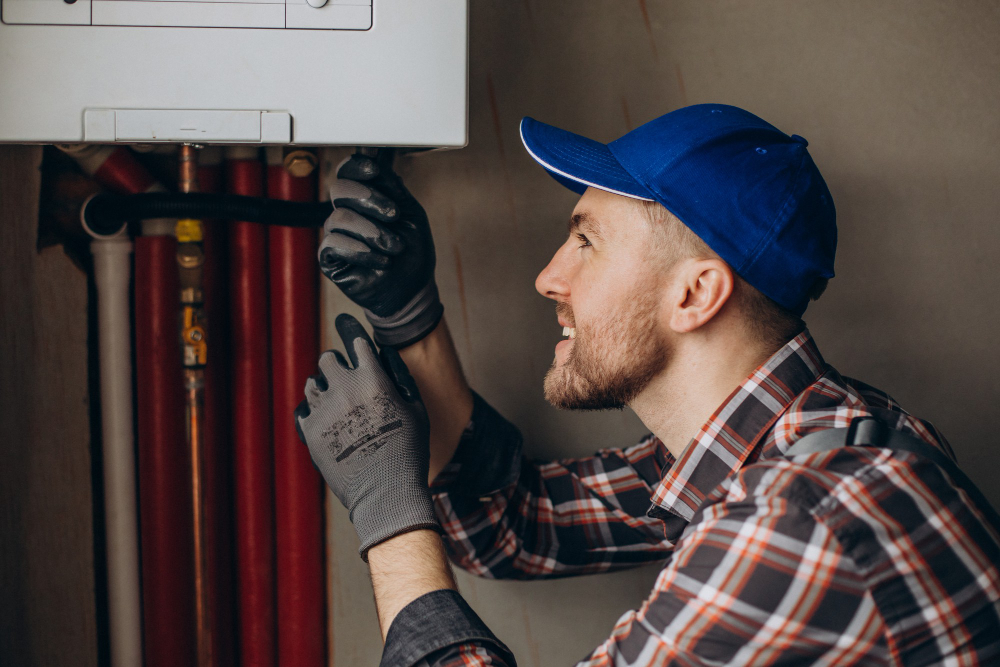
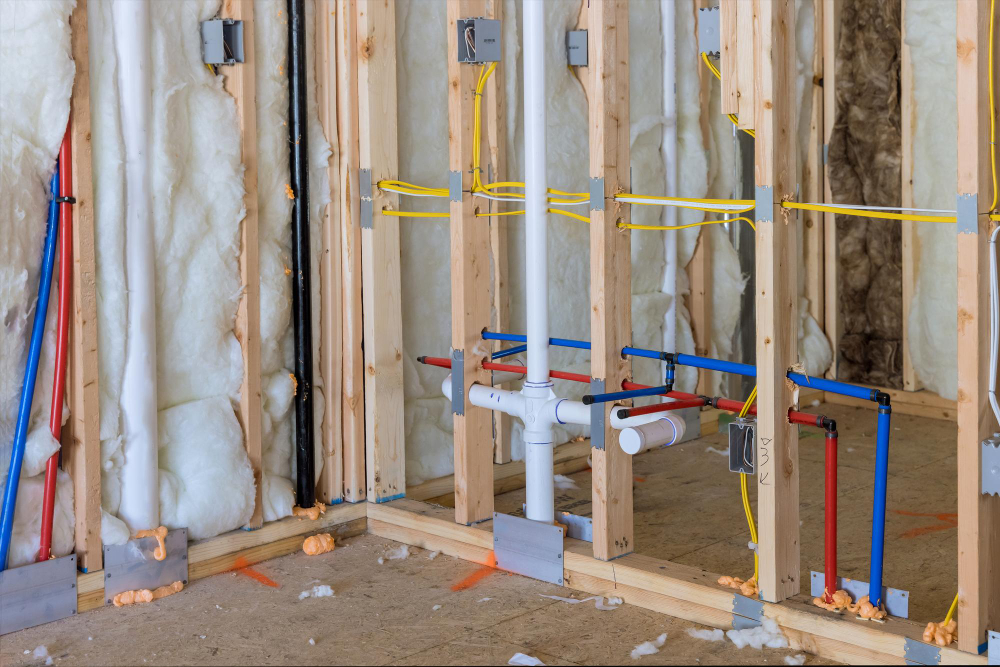
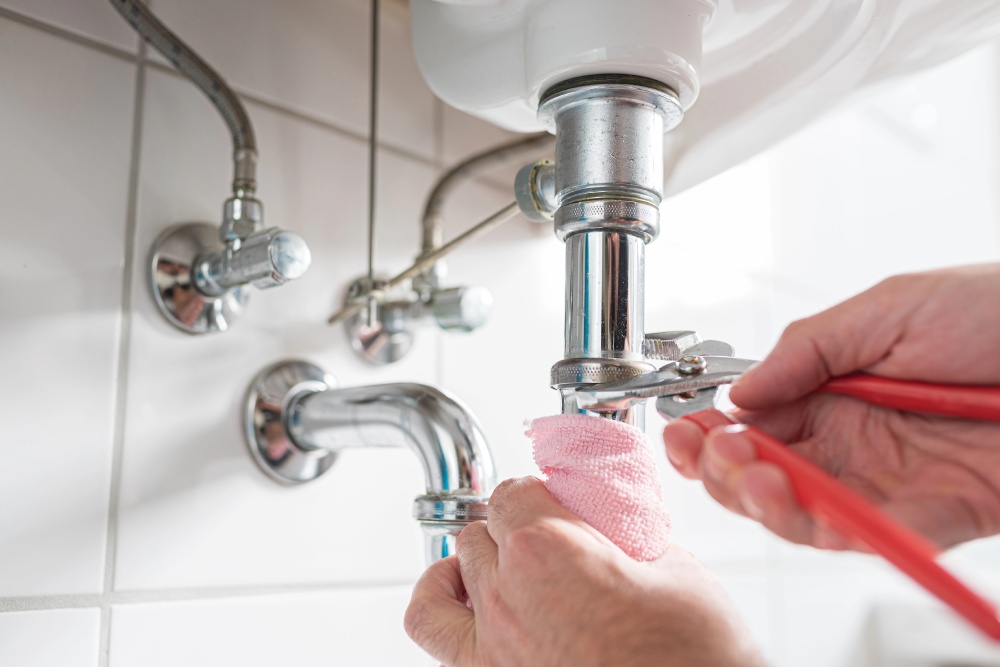
This is the high-pressure side of your bathroom. Cold water travels directly from your main home supply line. Hot water begins its journey from your water heater services line, which is why prompt repairs there are so important for bathroom comfort. These supply lines, usually made of copper, PEX, or CPVC, are smaller in diameter (often ½ inch) and are always full of pressurized water waiting for you to turn on a tap.
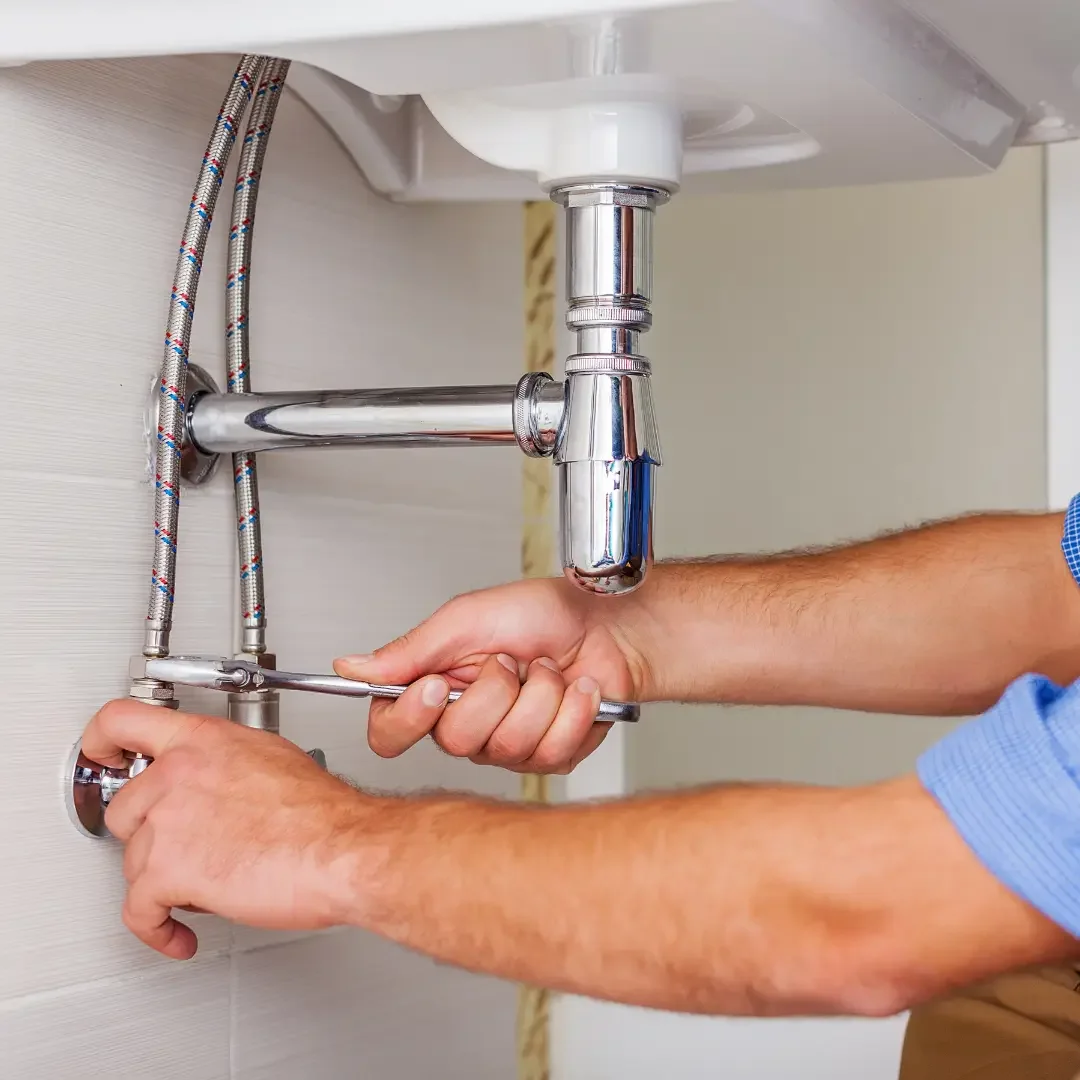
Each fixture including the sink, toilet, and shower has its own dedicated supply line with a shut-off valve. This allows you to turn off water to just the toilet for a repair without affecting the whole house. The system is designed so that when you open a faucet, the pressure pushes water out instantly. For a toilet, the fill valve opens to let water refill the tank and bowl after a flush.
The Drain-Waste-Vent (DWV) System: Taking Waste and Water Out
While supply lines work on pressure, drains work on gravity. Every fixture has a drain that leads to a larger main drain pipe, which slopes downward toward your home’s sewer or septic line. This is the part of your bathroom plumbing sink, shower, and toilet that you never want to have trouble with.
Key components of this system include:
- Drain Traps: That U-shaped pipe under every sink is a trap. It holds a small amount of water to create a seal, preventing sewer gases from entering your home.
- Drain Lines: These pipes carry wastewater from individual fixtures to the main stack.
- Vent Pipes: These crucial pipes extend to your roof, allowing fresh air into the system. Vents equalize pressure, letting water drain quickly and preventing gurgling sounds or slow drains. Without proper venting, water can siphon out of traps, breaking the seal.
A Closer Look at Fixture Connections
Each bathroom fixture connects to both systems in a specific way.
- Bathroom Sink: Hot and cold supply lines feed the faucet. The drain has a visible trap and often a pop-up assembly. Hair and soap scum buildup here are common reasons for clogs.
- Toilet: It has a single cold water supply line that fills the tank. The toilet’s unique feature is its built-in trap way in its base, which creates the siphon action for flushing waste directly into the large drain pipe, called the closet bend.
- Shower/Tub: Supply lines feed the shower valve (which mixes hot and cold water), and a large drain in the floor leads to its own trap. Proper slope and sealing around these units are key to preventing leaks into the ceiling below.
Common Issues and Repair Points
Knowing how the system works makes it easier to diagnose common problems:
- Low Water Pressure: Often caused by mineral buildup in the aerator of a bathroom plumbing sink faucet or in the showerhead. It can also signal an issue with the home’s main pressure or a hidden leak in the supply lines.
- Slow Drains: The most frequent call for help. In sinks, it is usually hair and soap. In showers, similar debris. For toilets, it is often non-flushable items. A plunger or drain snake can help, but recurrent clogs may point to a deeper blockage in the main line.
- Running Toilet: Usually an internal tank issue with the flapper or fill valve, wasting a surprising amount of water.
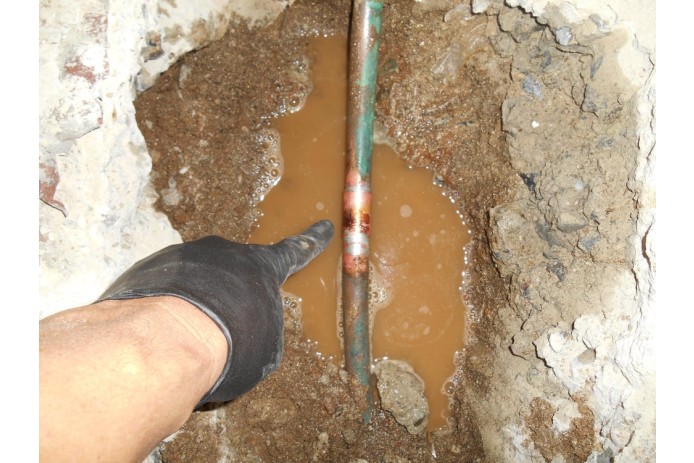
- Leaks: Dripping faucets waste water and money. Leaks under sinks often come from worn supply line valves or drain connections. Hidden leaks behind walls or under floors can cause major damage and require immediate professional plumbing services to locate and fix.
When these issues go beyond a simple DIY fix, it is time to call a professional. For residents in Ontario, CA, our team at Sweetwater Plumbing handles these repairs every day. We understand the local water conditions and building codes, ensuring any repair or installation is done right for the long term.
The Importance of Maintenance and Professional Help
Simple habits can keep your bathroom plumbing healthy. Avoid putting grease, coffee grounds, or non-flushable items down any drain. Use drain catchers in showers and sinks. Know where your main water shut-off valve is located in case of an emergency.
For larger projects like renovations, understanding “rough-in” dimensions – the pre-installed pipes behind the walls before fixtures are set – is vital. This is where professional expertise is non-negotiable to avoid costly mistakes. Whether it’s a persistent clog, a leaking pipe, or planning a new bathroom layout, having a trusted local plumber makes all the difference. At Sweetwater Plumbing, we’re committed to providing clear explanations and reliable solutions, ensuring your home’s essential systems work as they should.